


red light therapy mask devices promise to fight wrinkles and mild-to-moderate acne at home, but how much is hype and how much is backed by clinical trials? In this evidence-driven guide, we cut through the marketing to help you judge whether a red light LED light therapy mask actually delivers on its skin-boosting claims, how to compare specs, and which trade-offs matter if you’re shopping for visible results.
Key Takeaways
- Clinical trials from 2022–2024 show modest but measurable improvements in wrinkles (average 2.8% reduction in width) and a 45–55% decrease in inflammatory acne with consistent use.
- The best red light therapy mask options feature red (630–660 nm) and near-infrared (830–850 nm) LEDs, comfortable fit, good coverage, and proper eye protection.
- Most real-world user complaints involve comfort issues, subtle results for wrinkles, strap marks, and durability problems—results are gradual and require ongoing use.
- How red light therapy masks work (quick primer)
- What the 2022–2024 clinical trials actually show (wrinkles & acne)
- Clinical evidence for acne: what to expect
- Clinical evidence for wrinkles: realistic outcomes and limits
- Before-and-after patterns: who benefits most
- Technical specs that matter (wavelength, irradiance, fluence, LEDs, coverage, treatment time)
- Comparing top brands by specs (what to look for in 2024 models)
- Price ranges and feature trade-offs (what more expensive models actually add)
- Common verified user complaints and real-world comfort/safety issues
- Dermatologists’ and independent experts’ take (effectiveness & limitations in 2024)
- Safety, contraindications, and long-term considerations (what top competitor articles miss)
- How to choose the right mask for your goals (actionable checklist)
- What to show visually and include as proof points (writer instructions)
How red light therapy masks work (quick primer)
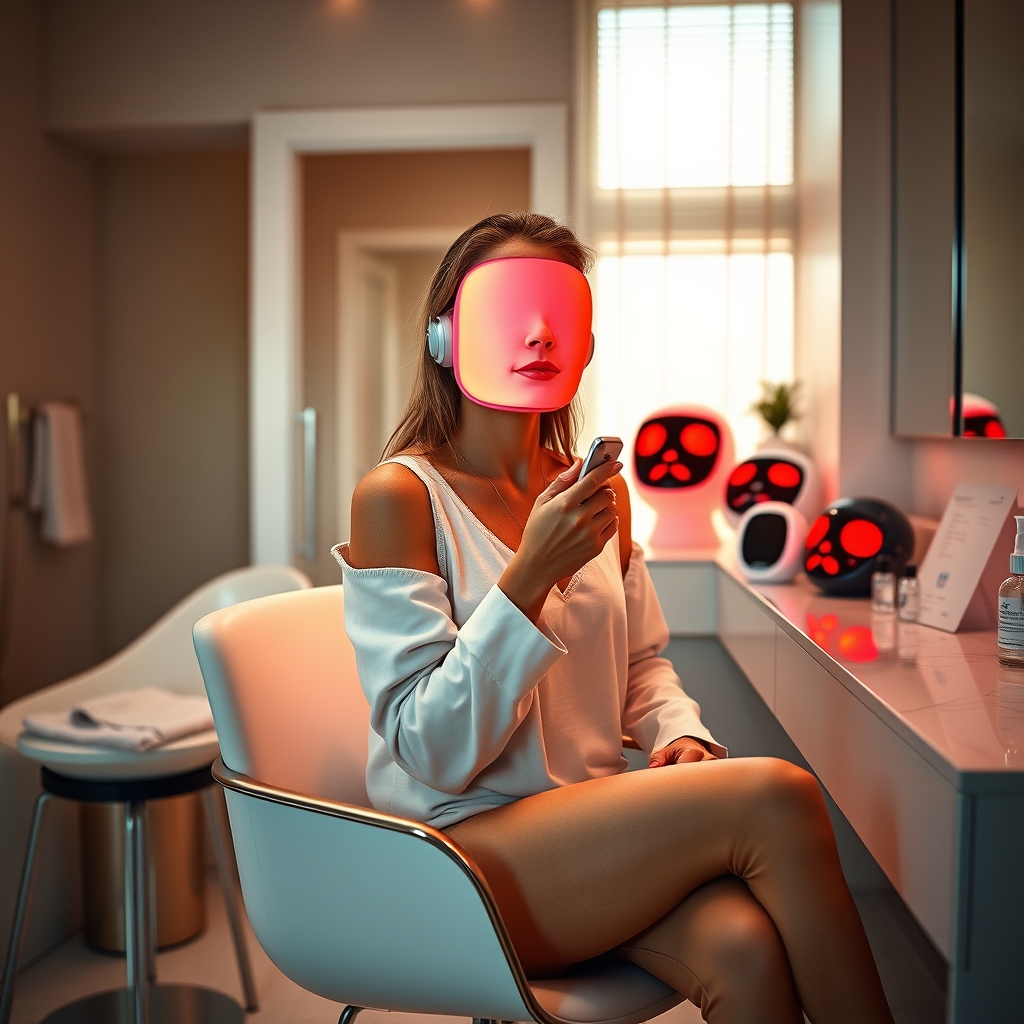
Red light therapy masks, sometimes called LED light therapy masks, use photobiomodulation—the process by which specific red and near-infrared wavelengths penetrate the outer skin layers. This action may stimulate collagen production, reduce mild inflammation, boost circulation, and slow some acne bacteria. However, the improvements are typically subtle and cumulative, not overnight transformations. According to clinical summaries, these devices utilize visible red or near-infrared light to target cellular function at a low intensity, often leading to gradual texture and tone improvements rather than dramatic changes.
What the 2022–2024 clinical trials actually show (wrinkles & acne)
Newer randomized, double-blind, sham-controlled clinical trials (2022–2024) give us clearer evidence about what red light therapy masks can and can’t do for skin aging and acne. Participants using home-use masks for 10–20 minutes per session, three to five times a week for 8–12 weeks, saw modest but statistically significant results. For instance, a multicenter study utilizing 640 nm red plus 830 nm near-infrared LEDs at approximately 0.5 mW/cm² (about 4 J/cm² per session) recorded a 2.8% reduction in crow’s feet wrinkle width after 12 weeks. Wrinkle depth improved measurably in about one-third of users, especially in certain facial zones, while others saw little to no visible change. These results align with smaller but increasingly consistent findings in LED light therapy mask research.
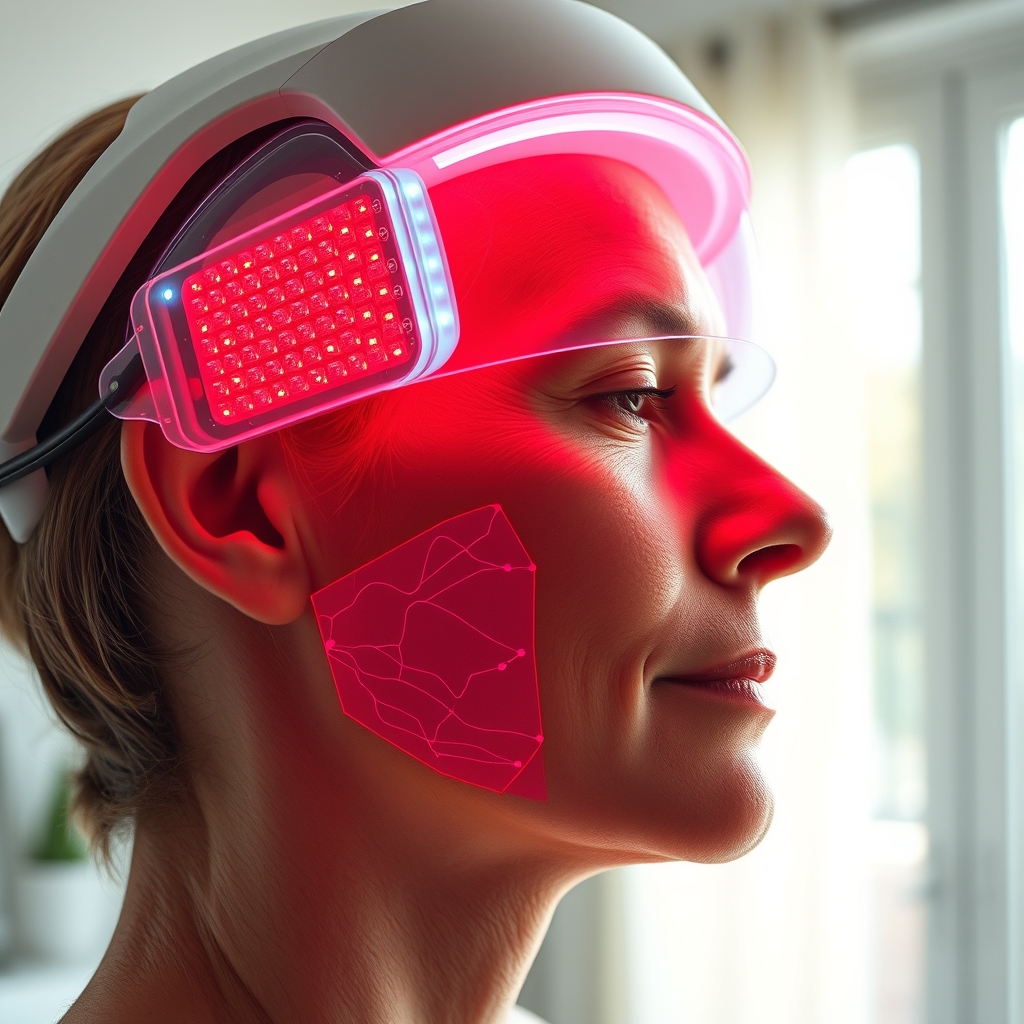
Acne outcomes are often better than wrinkle improvements. In a clinical trial using daily 10-minute, 630 nm red light LED treatments at 30–60 mW/cm², participants with inflammatory acne saw a 45–55% reduction in lesion counts and a 30–40% reduction in oil-related (sebum) breakouts after 12 weeks. However, as reported by experienced users, stopping treatment usually causes some relapse, and consistent application is crucial.
Clinical evidence for acne: what to expect
The best at-home red light therapy mask before and after transitions for acne are seen in users dealing with mild-to-moderate inflammatory (red) lesions, not just blackheads or deep cysts. Most positive studies focus on daily use at specific wavelengths and intensities (10 minutes of 630 nm, 30–60 mW/cm²). The typical protocol involved 8–12 weeks of daily sessions for peak effect. You can expect:
- Fewer inflamed pimples—up to 45–55% decrease in active lesions reported in trials
- Reduced oiliness—30–40% cut in sebum-linked breakouts
- Faster healing and less scarring with ongoing use (anecdotally supported, real-world outcomes vary)
What’s not likely: dramatic improvement for severe or cystic acne. For those, in-office or prescription solutions remain more effective. For more acne home care tips, visit our guide on LED face masks for acne.
Clinical evidence for wrinkles: realistic outcomes and limits
Red light therapy mask for wrinkles trials are less impressive than many marketing claims suggest. In Therabody’s independent study (source), average wrinkle width improved by 2.8% after 12 weeks; about 10% of users had visible changes, and around 35–42% saw meaningful improvement in certain zones (forehead, cheeks, or crow’s feet). Most saw subtle shifts in fine lines and texture only. Deep wrinkle improvements were rare and usually limited to a small subset of consistently compliant participants. Manage expectations: you’re more likely to get a gentle glow or smoother skin texture than dramatic wrinkle reversal.
Before-and-after patterns: who benefits most
Best results from red light therapy mask before and after comparisons occur in younger users (30s–40s), those with mild photodamage, and consistent users. If you have deeply etched lines or advanced photoaging, visible differences are unlikely with home devices. Stopping treatments often leads to gradual regression to baseline. Skin type also plays a role—users with thicker, oilier skin often report the biggest acne benefits. If your priority is wrinkle prevention or mild texture improvement, you’ll see more value than if you’re hoping to erase deep lines overnight. For a diagnostic approach, check our facial benefits explainer.
Technical specs that matter (wavelength, irradiance, fluence, LEDs, coverage, treatment time)
When shopping for an LED light therapy mask, check for:
- Wavelengths: Red (630–660 nm) and near-infrared (830–850 nm) are essential for both collagen and acne protocols.
- Irradiance: Look for a device offering ~0.5–2.0 mW/cm², resulting in ~4–8 J/cm² fluence per treatment session. (Underpowered masks will produce negligible results.)
- LED coverage: More diodes, evenly distributed, reduces “dead zones” and gives more even exposure.
- Treatment time: Protocols proven effective span 10–20 minutes per use, three to five times a week, or daily for acne.
- Comfort and eye safety: Vented, silicone masks with adjustable straps and included goggles are preferred.
For in-depth mask specs, see our comparison table of top LED masks.
Comparing top brands by specs (what to look for in 2024 models)
In 2024, the best red light therapy mask models mimic clinical protocols closely and add comfort and safety features. Here’s a side-by-side snapshot:
| Brand & Model | Wavelengths | Irradiance | Session Length | Coverage/LEDs | Cooling/Ventilation | Eye Protection | Fit/Straps |
|---|---|---|---|---|---|---|---|
| HigherDose Mask | 630 nm & 660 nm | Approx. 0.7 mW/cm² | 10 or 20 min | Full face; moderate density | Basic ventilation (soft silicone) | No goggles; cutouts only | Three-layer silicone, adjustable |
| LED Esthetics Glotech Pro | 630 nm; blue 470 nm | Up to 1.2 mW/cm² | 10 min | Full face; high density | Advanced cooling fans | Goggles included | Padded straps, adjustable |
| CurrentBody Skin LED | 633 nm & 830 nm | Approx. 0.5 mW/cm² | 10 min | Full face; dense grid | Good ventilation | Goggles included | Flexible silicone |
Choose models that replicate clinical routines (session length, fluence, wavelength). Premium masks also add cooling features and secure, comfortable straps for longer wear. For other leading 2024 picks, see our best LED mask roundup. External reviews from Good Housekeeping and WIRED can help verify feature claims.
Price ranges and feature trade-offs (what more expensive models actually add)
Price bands in 2024 range from as low as $150 to over $400. Here’s what you get at each price point:
- Budget (under $200): Basic LED grid, limited coverage, minimalist straps, minimal cooling, 6-12 month warranty
- Mid-range ($200–$350): Added wavelengths (red/NIR), more diodes, flexible silicone, better straps, some clinical backing, one-year warranty
- Premium ($350+): Denser LED arrays, eye protection, advanced cooling/ventilation, multi-layer silicone or custom-shaping straps, stronger warranty, clinical validation (WIRED review cites HigherDose at $349)
Often, well-reviewed mid-range options provide the best balance for most users, unless you need top-tier durability, comfort, or a clinic-backed trial.
Common verified user complaints and real-world comfort/safety issues
Even the best-reviewed red light therapy mask models have drawbacks. Verified user reviews point out:
- Strap fit—non-contouring bands and poorly placed buckles can leave pressure marks or slip off
- Heat or stuffy feeling—masks without good ventilation may feel hot after 10+ minutes
- Lack of eye protection—some masks skip proper goggles, causing mild but annoying eye irritation
- Durability—wiring in some models (e.g., HigherDose) may fail within the first year; warranty coverage varies
- Subtle or slow results—especially for deep wrinkles; patience is essential
For more candid user reviews and comfort tips, see our mask reviews page or Business Insider’s feature.
Dermatologists’ and independent experts’ take (effectiveness & limitations in 2024)
What do clinical experts say? Dermatologists and independent reviews, including Consumer Reports, agree: red light LED light therapy mask devices can offer mild-to-moderate improvements in texture and acne, but they are not a replacement for in-office lasers, injectables, or prescription medications. They recommend realistic expectations—subtle gains rather than dramatic makeovers. Regular sunscreen and a science-backed skin routine remain essential partners for visible results.
Safety, contraindications, and long-term considerations (what top competitor articles miss)
Most at-home red light therapy masks are safe for the general public, but there are important exceptions. You must:
- Always use provided goggles or ensure proper eye cutouts—cases of mild irritation are documented when safety is ignored
- Avoid if pregnant or breastfeeding, unless your physician approves
- Consult your doctor if taking photosensitizing medications (common in acne, autoimmune, or psychiatric therapies)
- Never use with active skin infections or open wounds
- Frequently inspect and clean the mask—dirty masks can harbor bacteria and worn wiring may be a hazard
Many competitor articles overlook these maintenance and safety nuances, as well as the lack of large, long-term cohort safety data. For an in-depth look, read our full guide: LED mask safety and cleaning.
How to choose the right mask for your goals (actionable checklist)
Ready to shop the best red light therapy mask options for your unique needs? Here’s a quick checklist:
- Primary goal: acne, wrinkle prevention, or both?
- Wavelengths: 630–660 nm red and 830–850 nm NIR recommended
- Fluence: Look for ~4–8 J/cm² output per session and uniform irradiance
- Session schedule: At least 10–20 min, three to five times per week for wrinkles; daily for acne, over 8–12 weeks
- Comfort: Flexible silicone, adjustable straps preferred
- Eye safety: Proper goggles or carefully designed eye cutouts
- Warranty: One-year minimum if possible
- Budget: Pick a model matching your comfort/durability needs—not all users need the most expensive option
Quick protocol: Most clinical benefit shown with 10–20 minute sessions, three to five times a week for 8–12 weeks; positive acne studies saw results with daily 10-minute treatments (Therabody study). Unsure which to choose? Compare top models here.
What to show visually and include as proof points (writer instructions)
Best practices for proof:
- Before/after photo galleries using standardized lighting and captioned study timelines (e.g., “12 weeks, 3x weekly use”)
- Compact comparison tables for technical specs and user-reported outcomes
- Highlight pull-quotes and stats, such as “2.8% wrinkle width reduction” or “45–55% reduction in inflammatory acne lesions”
- Include notes about limitations—deep wrinkle change is rare, results revert if use stops, and device fit issues are frequent
For credible before and after examples, explore our gallery in Red Light Therapy Mask Before & After.

Conclusion
Clinical evidence confirms that red light therapy mask devices offer subtle improvements for fine lines, wrinkles, and inflammatory acne—so long as you choose a mask with proper specs, and stay consistent for several months. Real-world usage means grappling with comfort issues, slow progress, and the need for eye protection and maintenance. If you want to see realistic before/after progress, compare models with clinical-like specs and user-tested design. Red light therapy mask results are gradual, but credible for motivated, skincare-savvy shoppers. Ready to choose? Compare top models for your needs—or if you’re on any photosensitizing medication, talk to your dermatologist first for safety.
Frequently Asked Questions
How long until I see results using a red light therapy mask?
Most users see subtle changes after 8–12 weeks, with sessions three to five times per week for wrinkles, or daily for acne. Early results may appear as improved glow or fewer new blemishes; deeper wrinkles require more time or may not respond dramatically.
Are red light therapy masks safe for all skin types?
Generally, yes. However, avoid use on active infections, open wounds, if pregnant or breastfeeding, or when taking photosensitizing medications, unless medically cleared. Always use included goggles for eye protection.
Can I use a red light therapy mask in combination with other skincare products?
Yes, but use only gentle, non-irritating serums underneath, and avoid strong actives (like retinoids or acids) right before use unless your dermatologist says it’s safe. Always moisturize and use sunscreen outdoors.
Why are my wrinkle results so subtle compared to acne results?
Red light therapy mask protocols yield better group-level results for inflammatory acne than for deep wrinkles. Wrinkle width may reduce 2–3% on average, but only one-third see depth improvements, and mostly for fine lines rather than etched folds.
Do I need to keep using my LED mask, or do results last?
Maintenance is important—results can fade after you stop regular sessions. Skin often slowly reverts to baseline over 1–3 months without ongoing treatment.