


Red light therapy panel technology has become a must-have for homeowners seeking whole-body recovery and skin health at home, but choosing the best full-body panels for 2026 means cutting through hype and relying on actual clinical evidence and practical features.
Key Takeaways
- Full-body red light therapy panels using 660 nm and 850 nm light at 100–150 mW/cm² show clear recovery and skin improvements in 2023–2024 clinical trials.
- Choosing the best panel in 2026 means checking irradiance, EMF safety, warranty/support, and how easily the unit fits and operates in a home setting.
- User pain points include heat, footprint, cooling noise, ambiguous dosing, and EMF—demand independent testing, user-friendly operation, and support.
- Why this guide matters for recovery + skin health buyers
- Clinical evidence (2023–2024) — muscle recovery & athletic outcomes
- Clinical evidence (2023–2024) — dermatology and skin health outcomes
- How full-body panels compare to other modalities
- Real users — the most common home pain points and complaints
- Technical specs that define the best red light therapy panel in 2026
- How those specs directly impact outcomes — dosing, distance, session length
- Cost comparison — full-body panels vs handheld devices
- Top 3 crucial features top articles often miss
- Full-body panels vs handhelds — efficacy and user experience
- Standout brands/models for full-body panels in 2026
- Buying checklist & quick Q&A for shoppers
- Conclusion + recommended next step
- Frequently Asked Questions
Why this guide matters for recovery + skin health buyers
If you are a biohacking homeowner who’s serious about athletic recovery or visible skin improvement in 2026, the temptation is to choose whatever red light therapy panel looks most appealing or affordable. However, only full-body panels delivering specific red (about 660 nm) and near-infrared (about 850 nm) wavelengths at high irradiance are supported by the latest clinical data for real, measurable effects. Recent 2023–2024 clinical trials confirm that these panels, offering 100–150 mW/cm² at the surface, produce statistically significant improvements in muscle recovery, soreness, and skin rejuvenation—outperforming handhelds, wands, or LED masks in both scope and depth of results (source).
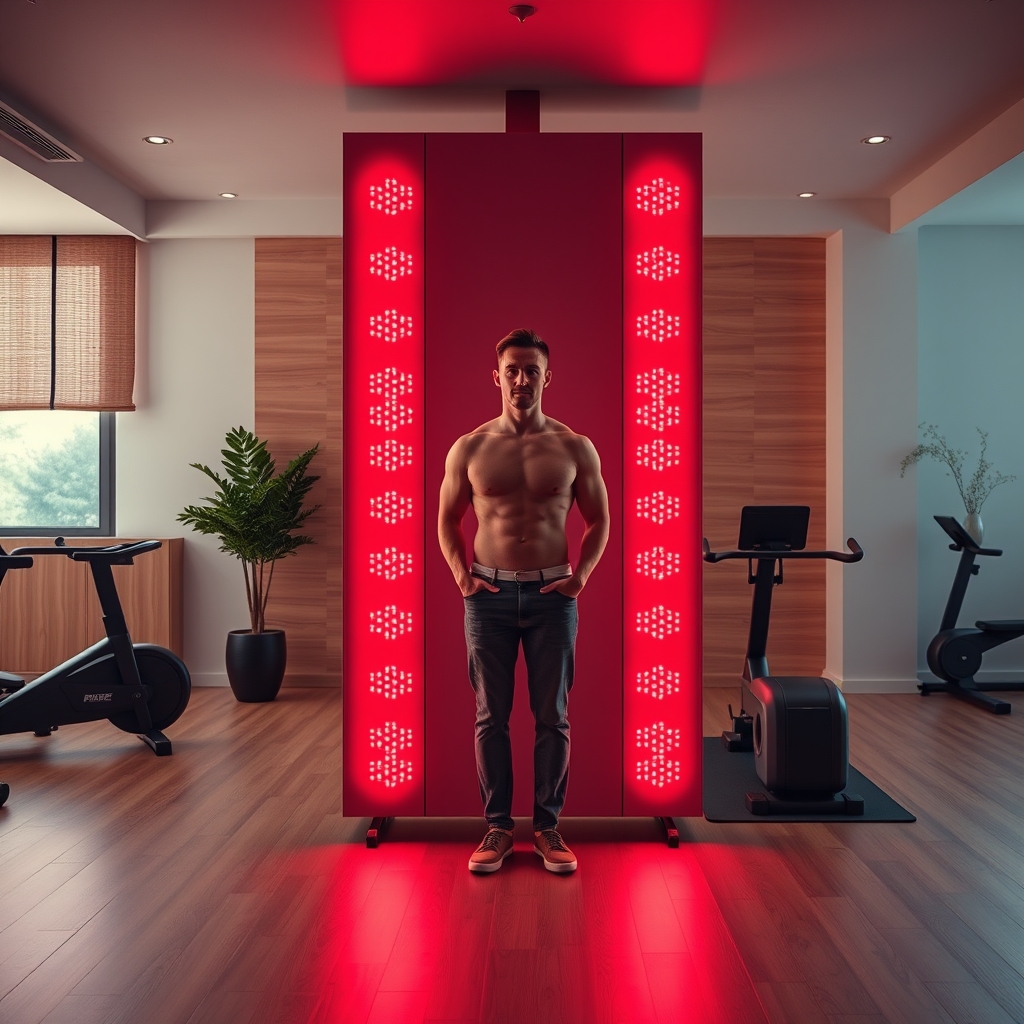
Whole-body panels cover more surface area, ensure even light distribution, and save time by treating multiple zones at once. If your target is recovery speed, skin elasticity, or all-round anti-aging at home, a full body red light therapy panel should be your shortlist—provided you check a few make-or-break details.
Clinical evidence (2023–2024) — muscle recovery & athletic outcomes
The major reason for choosing a full body red light therapy panel is how it performs in independent clinical trials. According to research published in 2023–2024, panels providing 100–150 mW/cm² (660/850 nm) reduce post-exercise creatine kinase and lactate dehydrogenase significantly faster than handheld devices or masks. This translates to less soreness, lower inflammation markers, and shorter recovery windows for athletes, runners, and anyone doing resistance training (clinical trials).
Comparatively, the best red light therapy devices for recovery discussed in expert guides constantly stress that panel irradiance trumps sheer LED count or wavelength advertised by most brands.
If you need flexible routines for both muscle healing and targeted issues (joint pain, tendons), opt for a full-body panel with pre-set recovery modes and true pulsing up to 5 kHz—which offers some users better comfort during longer sessions (source).
Clinical evidence (2023–2024) — dermatology and skin health outcomes
High-output red light therapy panel for home consistently outperforms handhelds and LED masks for fine-line reduction, improved pigmentation, and collagen density. Recent dermatology studies show that over 90% of participants see measurable gains in skin smoothness and elasticity after using panels for 10–20 minutes, 3–5 times weekly. Improvements persist for several weeks after stopping—especially when using panels that combine 660 nm and near-infrared output toward 850 nm (dermatology studies).
Home panels like the YOULUMI 1700W deliver enough coverage and power to treat the face, neck, chest, and limbs simultaneously, saving time and ensuring more even results than any mask, wand, or mat-based device.
For a deep dive on masks vs. panels, see our guide on the best red light therapy masks for wrinkles—and why full-body panels often prove more versatile long-term.
How full‑body panels compare to other modalities (saunas, ultrasound, masks)
Comparing a red light therapy panel vs handheld alternatives, studies confirm full-body panels rival or surpass both infrared saunas and therapeutic ultrasound for athletic recovery—while producing fewer side effects and offering much shorter treatment windows. Unlike home-use LED masks, which often lack therapeutic near-infrared output, panels reach deeper tissues and improve muscle and skin health more effectively. According to user and expert reviews, LED masks are fine for targeted facial skin but fall short for whole-body recovery or deep-tissue change (Garage Gym Reviews).
Infrared saunas can overheat and require much longer sessions, while panels deliver focused irradiance with rapid effects at home.
Real users — the most common home pain points and complaints
While top red light therapy panel for home models are effective, real-world owners often face friction points: heat build-up, noise from cooling fans, panel footprint in a regular room, uneven light “hot spots,” and a lack of clear dosing guidance. Bright LEDs may cause eye discomfort, and ambiguous EMF emissions can make safety hard to assess.
“The panel gets pretty warm in 15 minutes, and the fan noise took me by surprise. Figuring out exactly how far to stand, and whether I need goggles or not, took some trial and error.” — Homeowner, Age 38
Many users also stress over electricity cost (1500–2000 W per session), ambiguous warranty terms, and inconsistent customer support.
Learn about practical solutions for sizing, operation, and user comfort in our photobiomodulation buying guide and see how modern devices address these pain points through better design and after-sales support.
Technical specs that define the best red light therapy panel in 2026
To get maximum value and avoid “red glow” scams, demand the following technical specifications in a best red light therapy panel 2026:
- Wavelengths: Combined true 660 nm (red) and 850 nm (NIR), or closest equivalents, for both skin and muscle reach.
- Irradiance at 6–8 inches: At least 100–150 mW/cm², independently measured.
- LED count/power: 864 to 1200+ high-output LEDs, total panel power draw 1500–2000 W.
- Treatment area: Minimum 5–6 feet in panel length for full adult coverage, ideally mobile or wall-mountable.
- Cooling & EMF: Effective, quiet cooling plus near-zero EMF output at typical treatment distance.
- Certifications: Documented safety, EMC, and third-party test results.
Our in-depth near infrared light therapy guide explains why 850 nm devices add unique recovery benefits missing from “red-only” panels.
How those specs directly impact outcomes — dosing, distance, session length
It’s not just about specs on paper; dosing is everything for outcomes. Here’s how to make the data real:
- Distance: Stand or sit 6–8 inches from the panel for optimal tissue penetration.
- Session length: 10–20 minutes per treatment zone, 3–5 times weekly.
- Pulsing: Some users prefer up to 5 kHz pulsing modes for comfort or skin sensitivity.
- Coverage: Treat opposite body sides in back-to-back sessions if full coverage isn’t possible in one go.
Rely on irradiance over sheer LED count: a smaller, high-output panel is vastly more effective than a giant “red glow” board with weak power. Consistent, repeatable routines are what drive results.
Cost comparison — full-body panels vs handheld devices (upfront + operating signals to evaluate)
| Feature | Full-Body Panel | Handheld/Mask |
|---|---|---|
| Upfront Cost | $1,000 – $2,500 | $100 – $600 |
| Power Draw | 1500–2000 W | 10–80 W |
| Operating Cost | High (notable electricity use) | Minimal |
| Coverage | Whole body (5-10 min) | Face/small area only (10–30 min) |
| Longevity & Warranty | 3–5 years, variable | Typically shorter/support varies |
Handhelds are cheaper to buy and run, but deliver limited results outside of targeted skin/hair protocols. Panels carry higher power bills but achieve clinical dosing for recovery and full-body skin gains. Calculate your expected hours per week and multiply by wattage to estimate annual energy cost.
Top 3 crucial features top articles often miss (what the writer must highlight)
- EMF emissions: Only accept panels independently tested for near-zero EMF at 6 inches. Many brands don’t publish real numbers, leaving safety ambiguous.
- Verified certifications & third-party testing: Demand published lab results confirming output, wavelengths, and safety—plus legitimate compliance marks (ETL, CE, RoHS, etc).
- After-sales support & warranty clarity: Users consistently complain about gray-area support, confusing return windows, or poor warranty response. Before buying, check real user feedback and warranty resolution stories.
For coverage on device legitimacy and post-sale issues, see our guide on HSA-eligible red light therapy devices.
Full-body panels vs handhelds — efficacy and user experience (practical tradeoffs)
Choose a full body red light therapy panel for rapid, uniform whole-body effects whether your goal is athletic recovery, joint support, or visible skin changes. Opt for a red light therapy panel vs handheld when you want to minimize session times and treat more than just your face or joints. Handhelds/masks excel for ultra-targeted routines (like facial pigmentation or hair regrowth), for portability, and for those on a tight budget. However, most lack near-infrared output, making deeper tissue or muscle benefits elusive (University of Utah Health).
See our honest comparisons in the best red light therapy device reviews for face and home use in 2026.
Standout brands/models for full-body panels in 2026 — short reviews + why they rank
The best red light therapy panel 2026 options are ranked based on clinical specs, verified test results, real user reviews, and support/warranty policies. Standout models include:
- YOULUMI 1700W / YL-IRM-Y02: Mobile, full-coverage (660/850 nm), >100 mW/cm², near-zero EMF, sturdy build, strong after-sales track record.
- “ELITE” 864-LED Panels**: These expert-tested models consistently rank high for dosing accuracy, quiet fans, and compact, wall-mountable frames—ideal for home gyms.
- NovaaLab Glow Pro and similar: Well-reviewed for both clinical performance and stylish design, with pre-programmed recovery and skin modes.
For complete device reviews and research-backed picks, see the Garage Gym Reviews expert roundup.
If comparing face-only masks or wands, see our best red light therapy mask guide for skin, beauty, and anti-aging advice.
Buying checklist & quick Q&A for shoppers
- Combined wavelengths: 660/850 nm true output
- Irradiance: 100–150 mW/cm² at 6–8 inches
- LED count: 864+ for full-body; high efficiency
- Coverage area: At least 5–6 feet in height
- Cooling system: Quiet and efficient
- EMF: Independently tested near-zero at use distance
- Warranty/support: 2+ years, responsive support
- Third-party certification: ETL, CE, or equivalent, documented
Quick Answers:
- Do I need near-infrared? Yes—for muscle, joint, and deep-tissue effects, 850 nm NIR is essential.
- How long and how often? 10–20 minutes per zone, 3–5 times per week is clinically proven for best outcomes.
- Where should I place it? Panels fit best in workout rooms, large bathrooms, or spare bedrooms—requires up to 6 sq ft of open space and wall/door clearance for ventilation.
- Safety? Use protective eyewear for comfort and to shield brightness. Prefer panels with published EMF and heat test results.
Conclusion + recommended next step
For serious recovery or anti-aging at home, only full-body panels with documented 660/850 nm output and 100–150 mW/cm² irradiance produce the effects confirmed in 2023–2024 clinical research. Look past marketing buzz and prioritize proven specs, real-world usability, robust support, and genuine testimonials when picking your best red light therapy panel 2026. Compare 2–3 clinically-backed models using the checklist above, and make sure to audit EMF, warranty, and support before buying. Harness the routine for a month and let your own results affirm or adjust your choice.
Frequently Asked Questions
Is eye protection necessary during red light therapy panel treatments?
Yes. While red and near-infrared lights are considered safe for skin, LEDs can be intensely bright and may cause discomfort, glare, or eye strain. Use provided goggles or suitable protective eyewear for all face or upper-body sessions.
Are EMF emissions a real safety concern with full-body red light therapy panels?
Yes—especially with large, high-powered panels. Always select models tested to near-zero EMF at 6–8 inch treatment distance, and confirm published test data rather than relying on claims alone.
Will a full-body panel fit in my home?
Full-body panels require 5–6 feet of wall or floor height, about 2 feet width, and space for airflow. Install in a home gym, dedicated wellness room, or a space with ample ventilation and little traffic.
How do I know I am getting the right dose from my panel?
Follow manufacturer directions and independent lab specs: Aim for 6–8 inch distance, 10–20 minute sessions, 3–5 times weekly. Some panels include built-in timers and preset dosing programs for convenience.
What maintenance is required for these devices?
Keep the panel dust-free and ensure cooling vents aren’t blocked. Replace LEDs or power components only as specified during the warranty period. Check for firmware updates with smart panels.