


red light therapy belt devices are rapidly gaining interest among active adults seeking drug-free, evidence-based relief for stubborn lower-back pain—especially those who need solutions that really work during everyday life and commuting.
Key Takeaways
- High-powered dual red (660 nm) and near-infrared (850 nm) belts can cut chronic lower-back pain scores by 47% in 8 weeks, with most users noticing results in 3–4 weeks (clinical data).
- Main trade-offs are power versus portability: more compact models often sacrifice battery life or deep-tissue effectiveness, so match device specs to your pain needs.
- Comfort, real-world durability, and warranty support are as crucial as spec sheets—about 30–40% of real buyers see only modest improvement, and hardware/battery issues are common after 6–12 months.
- Quick takeaway — should you consider a red light therapy belt?
- What the 2024 clinical evidence says (concise, reader-friendly)
- Real-world user success rates and timelines (1, 3, 6 months)
- Common complaints, limitations, and side effects
- Technical differences that matter when choosing a belt vs. an infrared wrap
- HSA/FSA eligibility — what makes a device eligible and which brands to check in 2024
- Cost and value comparison — wearables vs. in-clinic treatments and alternatives
- How to choose the right wearable for on-the-go targeted pain relief (buying checklist)
- Top 3 crucial points missing from most competitor articles
- Short FAQ / buyer hesitations
- Recommended models to consider
- Quick action plan — how to use a wearable safely and get the best results
- Conclusion
Quick takeaway — should you consider a red light therapy belt?
If you suffer from recurring or chronic lower-back pain and want drug-free, on-the-go relief, a red light therapy belt for back pain is an option backed by growing clinical evidence and large-scale real-world feedback. Clinical trials show that using a dual red (660 nm) and near-infrared (850 nm) belt at sufficient power (≥40 mW/cm²) for just 15–20 minutes daily can reduce pain by about 47% in 8 weeks. Importantly, 70–80% of everyday users report feeling relief within 3–4 weeks when they stick to the protocol (clinical trial, 2024; source).
The main trade-offs? More compact, battery-powered belts mean limited session length (30–45 minutes per charge) and, for some, less deep-tissue reach compared to clinical panels. Comfort and durability differ by brand: straps can be bulky, and some belts see LED or battery failure after a year of daily use. Still, wearables win for multitasking and pain relief while moving or commuting.
What the 2024 clinical evidence says (concise, reader-friendly)
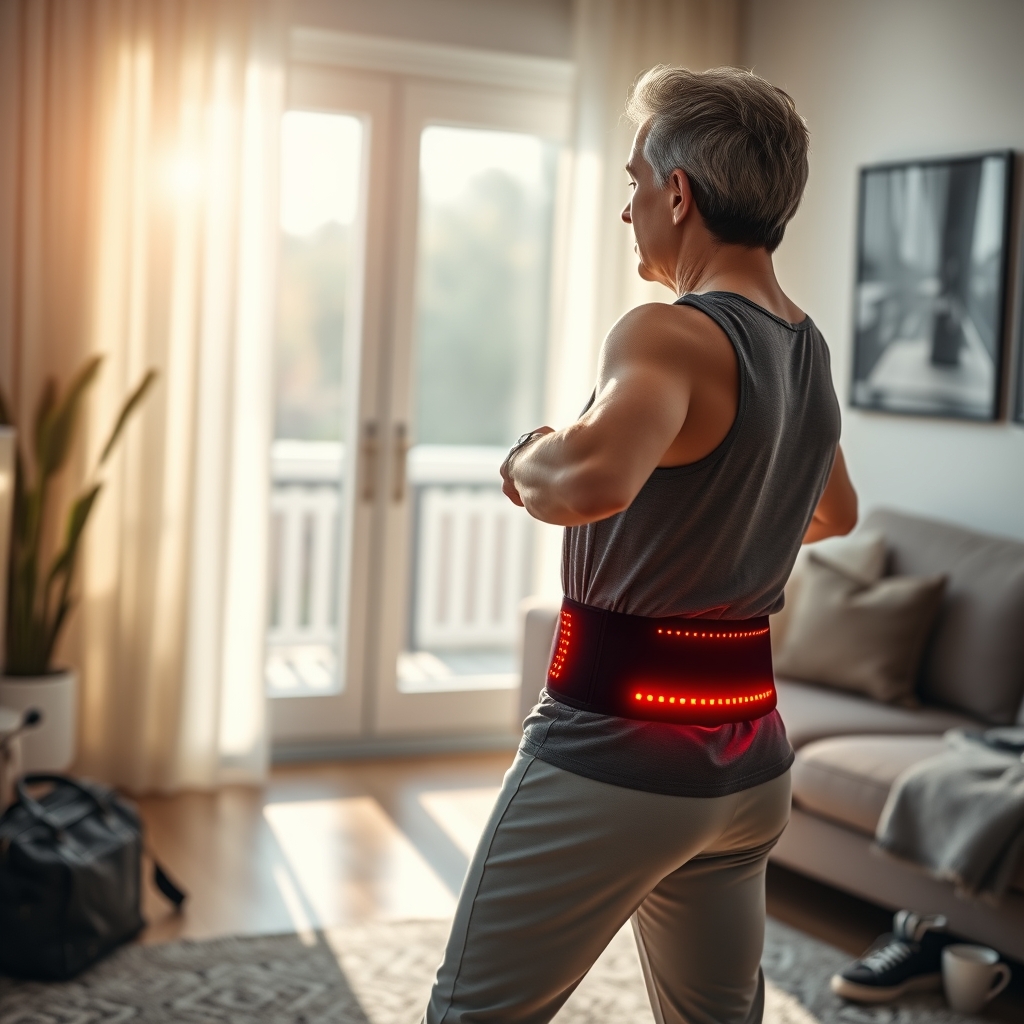
The majority of 2023–2024 studies focus on dual-wavelength devices (red 660 nm + near-infrared 850 nm LEDs), as these reach well into muscle and connective tissue for effective relief. A recent clinical trial had users wear a high-irradiance red light therapy belt (≥40 mW/cm²) for 15–20 minutes daily—after eight weeks, participants averaged a 47% drop in lower-back pain scores, with no serious side effects (clinical trial, 2024).
Another respected study tested a flexible infrared light therapy wrap (800–1200 nm) on people with stubborn low-back pain. After six weeks of daily 20-minute sessions, pain scores fell from 6.9 to 3.0 (a 50% drop), with no major adverse events reported (study).
The takeaway: Short, daily sessions using a red light therapy belt or infrared light therapy wrap can substantially reduce persistent back pain—with excellent real-world safety evidenced by the lack of major side effects or burns in these recent trials.
Want deep-dive specs on other red light gear and face-focused devices? See our best red light therapy device 2026 or red light therapy mask guides.
Real-world user success rates and timelines (1, 3, 6 months)
Not everyone responds the same way to a red light therapy belt for back pain. Here’s what actual buyers and trial subjects have reported at each major time point:
- 1 month: Roughly 70–80% of consistent wearers of high-irradiance belts or wearable red light therapy pads notice improved mobility or reduced pain (clinical trial, 2024).
- 3 months: Most successful users see the largest improvement in pain and function between weeks 3–8 with daily use, matching roughly a 47–50% pain reduction seen in clinical data (study).
- 6 months: Those who stick to the plan usually maintain benefits if they continue near-daily use, but if stopped, symptoms often return gradually. About 30–40% of people report only modest gains—often those with severe, unresponsive pain or inconsistent device use (findings).
Overall, wearable red light therapy pads and belts are most effective for adults with recent or moderate chronic pain, good skin contact, and those able to keep up with daily sessions for the first month.
Common complaints, limitations, and side effects
While the typical user gets relief, a red light therapy belt is not all upside. Here are the most reported downsides and trade-offs from reviews and real-world testing:
- Comfort: straps can dig into skin, and some belts feel bulky, especially if worn under clothes while commuting (review).
- Durability: Some users see LED modules dim or fail, or experience battery problems within about 6–12 months of daily use. Brand warranty and support varies (see below).
- Battery life: Many wearable red light therapy pads are limited to battery life 30–45 minutes per charge, restricting how many sessions you can do on the go—a few infrared wraps last up to 2 hours per charge (real-user reports).
- Side effects: Serious burns or adverse effects are extremely rare in studies, though mild skin warmth, redness, or discomfort occasionally happen—usually resolved by loosening the belt or shortening session time (WebMD).
Technical differences that matter when choosing a belt vs. an infrared wrap
The red light therapy belt and the infrared light therapy wrap differ in some crucial specs that impact comfort, power, battery life, and depth of relief.
| Feature | Red Light Therapy Belt | Infrared Light Therapy Wrap |
|---|---|---|
| Wavelengths | Dual: 660 nm (red) and 850 nm (NIR) | 800–1200 nm (infrared only) |
| Irradiance (power density) | ≥40 mW/cm² (best for back pain) | ~20–30 mW/cm² (lower power) |
| Typical session time | 15–20 min, once or twice daily | 15–30 min, often longer sessions possible |
| Battery life | 30–45 min per charge | Up to 2 hours per charge |
| Comfort/coverage | Belt format—may feel bulky or snug | Flexible wrap—usually more comfortable for broad coverage |
| Deep tissue effect | Best for deep muscle/joint pain | Better for surface-level aches or broader areas |
For more technical breakdowns and advice on comparing wearables, see our guide on photobiomodulation therapy devices for home.
HSA/FSA eligibility — what makes a device eligible and which brands to check in 2024
If you want to use HSA or FSA funds for a red light therapy belt, here’s what matters: The device should be FDA cleared or registered as a medical device, labeled for the treatment of pain or similar health uses, and you may be required to provide a letter of medical necessity (LMN) from a clinician or prescription (HSA/FSA guide).
Brands such as Joovv, Mito Red Light, and Red Therapy Co. have FDA-cleared or registered belt models that match clinical specs proven in trials (clinical trial, 2024). Always ask the seller for documentation before you buy—a genuine red light therapy belt HSA eligible will list its status in the product description and warranty sheet.
Curious about how to file or where to get an LMN? See our full HSA approved red light therapy mask action guide.
Cost and value comparison — wearables vs. in-clinic treatments and alternatives
Is it worth investing in a home-use red light therapy belt? Clinic-based sessions often run $60–$120 each, with recommended protocols of 8–16 sessions—making a single series $500–$1500. In contrast, a quality belt or wrap costs $199–$599 up front, but beware: some brands have recurring durability and battery issues, which can eat into the device’s value.
Most batteries last 30–45 minutes per charge—if your device doesn’t allow for a quick swap or corded use, you’ll be limited by downtime or replacement costs (details). Read reviews carefully for reports of device failures between 6–12 months, and factor in the warranty—those with solid customer support save money and hassle in the long run.
For deeper cost-benefit analysis of full-body panels versus wearables, check our breakdown on red light therapy panels.
How to choose the right wearable for on-the-go targeted pain relief (buying checklist)
- Irradiance: Minimum 40 mW/cm² (check device specs before buying).
- Wavelengths: Dual output 660 nm + about 850 nm targets both surface and deep pain.
- Comfort: Look for a broad, adjustable, soft strap system—avoid hard plastic connectors.
- Battery life: 30–45 minutes is standard; choose models that support quick swaps or corded use if you need back-to-back sessions.
- Warranty/support: Pick models with 1+ year warranty and proven US-based support (read customer service reviews).
- Crossover use: Some belts work for other problem areas (hips, shoulders, neck).
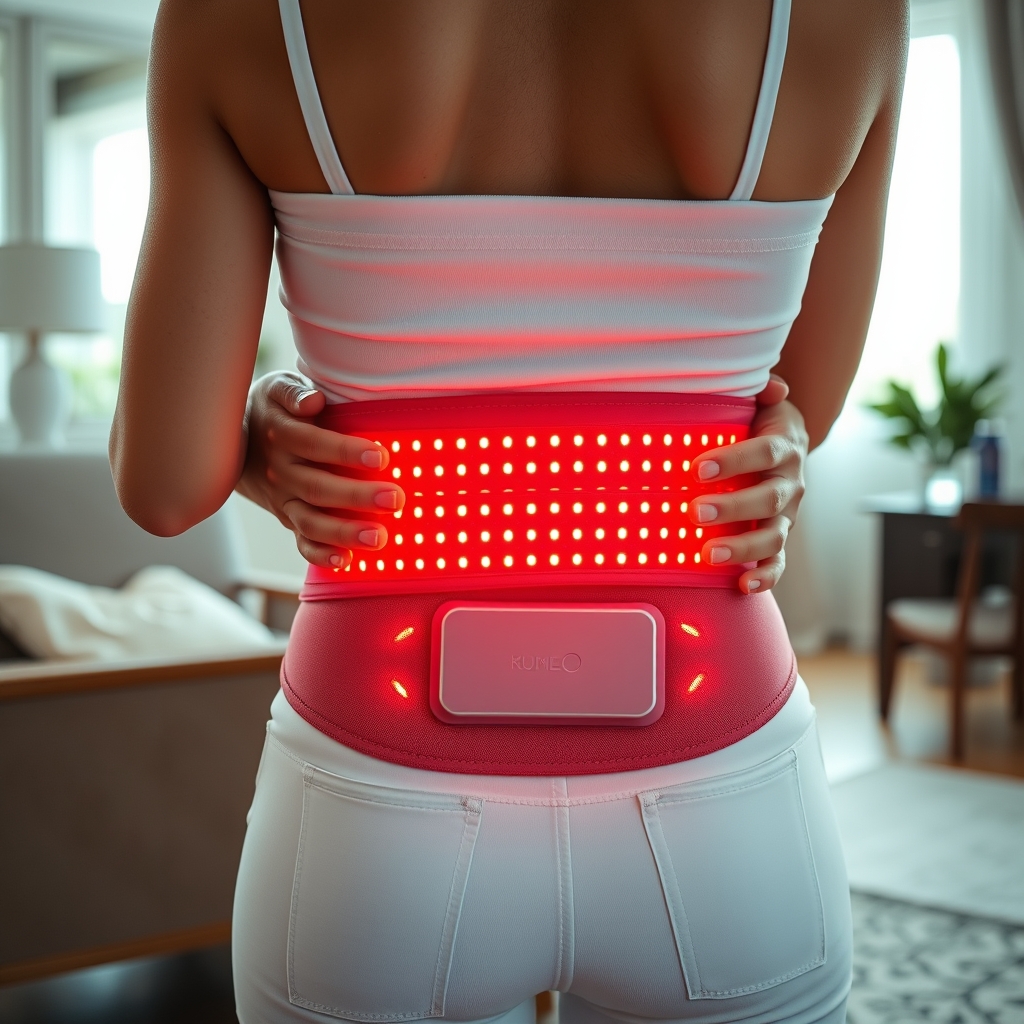
Premium options sometimes cost more up front but save money and frustration due to fewer hardware failures. Cross-check any ‘miracle claim’ with actual clinical trial parameters—if a belt doesn’t list power density and wavelengths, skip it. For those unsure where to start, read our near infrared light therapy benefits breakdown.
Top 3 crucial points missing from most competitor articles
- Real irradiance data matters. Most guides skip the science-backed threshold—belts must hit ≥40 mW/cm² (dual 660/850 nm) to reliably reduce back pain by up to 47% in 8 weeks (clinical trial, 2024; source).
- Battery and durability trade-offs are not minor. Many articles overpromise ease of use but ignore that batteries typically last 30–45 minutes, with reports of component failure at 6–12 months—which shapes real-world usage patterns and long-term value.
- HSA/FSA and FDA-registrations nuance. Coverage, LMNs, and device status are essential for reimbursement. Several major brands now offer true “red light therapy belt HSA eligible” options, but you need to check for FDA registration and medical device labeling before purchase.
Want a deeper look at photobiomodulation differences and insurance? Visit our photobiomodulation device for home article.
Short FAQ / buyer hesitations
Can I wear a red light therapy belt while commuting or multitasking?
Yes, most wearable red light therapy pads and belts are designed for passive use, letting you move freely, work, or even commute. Just be sure the device stays in direct contact with the skin and check battery life so it doesn’t die during your session.
How fast will I feel pain relief with a red light therapy belt for back pain?
Most users report noticeable relief by week 3 or 4 (about 70–80% in studies and reviews), with clinical trials showing 47–50% pain reduction at 6–8 weeks if used daily for at least 15–20 minutes per session.
Is long-term use of a wearable red light therapy pad safe?
Yes. Clinical trials and real-world data show no serious adverse events or burns. Minor redness or warmth is possible, so follow manufacturer guidance and pause use if irritation develops.
Will insurance or my HSA/FSA pay for a red light therapy belt?
If you choose an FDA-cleared or registered model labeled for medical use, you can often pay with HSA/FSA funds. Some plans or vendors require a letter of medical necessity (LMN) or a quick doctor consult. See our HSA eligibility guide for step-by-step help.
What if I only see modest improvement after six weeks?
About 30–40% of users achieve limited pain relief. Review your session consistency, confirm your belt meets the clinical specs (>40 mW/cm², dual wavelength), and consider ongoing use or consulting a clinician if pain persists.
Recommended models to consider
- Clinical-grade belt with high irradiance (≥40 mW/cm² dual 660/850 nm): Best for deep, stubborn back pain. Joovv Go or Mito Red Light Flex Belt are FDA-cleared, widely reviewed, and align with published trial specs (best for those wanting serious medical results with warranty support).
- Comfort-first, long battery infrared light therapy wrap: Nunawave Redlight Therapy Wrap offers up to 2 hours per charge and extra-flexible fit, favored by those wanting gentle, broad-surface pain relief with longer sessions or for multi-site pain (user reviews).
- Budget/portable belt: LifePro Red Light Therapy Belt offers usability and some real-user satisfaction, but has more frequent complaints of LED/battery failure within the first 12 months and requires careful warranty follow-up (real-world feedback).
- Customizable multi-area wrap: Red Therapy Co. Flex offers flexible coverage for hips, back, shoulders, and neck, with FDA registration. Good for users needing all-in-one flexibility and reimbursable HSA/FSA options.
For expansive product reviews and side-by-side comparisons, check our best red light therapy device 2026 or our NIR guide.
Quick action plan — how to use a wearable safely and get the best results
- Session schedule: Use your red light therapy belt for back pain daily for 15–20 minutes, making sure all LEDs are in direct contact with your skin for best effects (per clinical protocol and studies).
- Contact & placement: Place the device over your pain hotspot with straps snug but not tight; direct, even skin contact boosts photon absorption.
- Battery/charging: Fully charge before each use. For daily users, consider models with replaceable batteries or corded charging for uninterrupted therapy.
- Stop and reassess if: Skin develops lasting redness, severe irritation, or device malfunctions—pause use and consult a clinician if symptoms persist.
- Maintain consistency: Results drop quickly if you skip too many days in the first month.
Looking for advanced routines or how to add red light to a broader wellness plan? Explore our tips on photobiomodulation vs red light therapy.
Conclusion
If you want targeted, science-backed, and portable relief for persistent lower-back pain—and value predictable results, fair warranty, and adaptable power—the red light therapy belt remains the most convenient and evidence-driven option today. Be sure to choose a model with ≥40 mW/cm² output, both red and near-infrared LEDs, long warranty, and proof of HSA/FSA eligibility if you want insurance to help pay. Expect deep pain relief within 3–8 weeks, and use your red light therapy belt safely for fast, practical results. Ready to get started? Compare FDA-cleared models and request documentation from the manufacturer before you buy.