


Red light therapy for skin is gaining momentum as a science-driven route to smoother, firmer, clearer skin without a dermatologist’s office visit—but do the numbers back up at-home results, and how can you choose or use a device that mirrors the latest clinical evidence? This complete guide translates 2022–2024 trial findings into plain-English expectations, practical specs, and step-by-step home protocols for real-world results.
Key Takeaways
- High-quality trials confirm at-home red light therapy can boost skin collagen up to 31% and reduce wrinkles by 15% to 30% over 8 to 12 weeks using devices that match clinical specifications.
- For acne, home LED devices using the correct wavelengths deliver up to 60% clearance in mild-to-moderate cases after 4–6 weeks, with minimal side effects when used safely.
- Check device specs carefully: Only models providing 630–660nm (red) and 830–850nm (NIR) at 4–6 J/cm² per 10–12 minute session, two to three times weekly, are supported by the strongest data.
- Quick take — what red light therapy can realistically do for your skin
- How red light therapy works — the biological mechanism in plain language
- What the controlled trials say — collagen and wrinkle outcomes
- Evidence for acne — what wavelengths and protocols work
- Clinic devices vs at-home devices — can you expect the same results?
- Technical specs that truly matter
- Quantitative at-home device results — what trials and aggregated user data report
- Timeline and real before-and-after expectations
- Cost, lifespan and product durability
- Common real-world complaints and limitations from users
- Safety, side effects and contraindications
- Three important angles competitor articles often miss
- Practical buying checklist and user protocol
- Bottom line and action plan — who should buy, who should see a clinician, and next steps
- Frequently Asked Questions
Quick take — what red light therapy can realistically do for your skin
Red light therapy for skin holds up under careful scrutiny when used correctly and consistently. Randomized controlled trials since 2022 show that at-home LED devices—if they match clinical specs—can increase dermal collagen by 20% to even 31% and reduce wrinkle depth by 15% to 30% after 8–12 weeks. For acne, dual-wavelength blue-red treatments can lower lesion counts by 45% to 70% after a month. What at-home devices can’t promise: instant results, substantial lifting of deep wrinkles, or dramatic improvements beyond mild to moderate signs of aging and acne. Results are steady with the right fluence and patience, but not magic. Choosing a device with proper specs, and treating at least twice weekly, is critical for success.
How red light therapy works — the biological mechanism in plain language
Red and near infrared wavelengths energize your skin cells’ mitochondria by activating cytochrome c oxidase, which boosts cellular ATP (energy). This surge “wakes up” fibroblast cells responsible for producing collagen and elastin, leading to firmer, thicker skin over a few weeks. There’s more: Red light’s anti-inflammatory effect helps soothe active acne and reduce post-acne redness, while improved blood flow (vasodilation) delivers oxygen for skin healing and radiance. Clinical reviews now confirm these processes are the roots of measurable increases in collagen and real-world improvements in texture and firmness.
What the controlled trials say — collagen and wrinkle outcomes
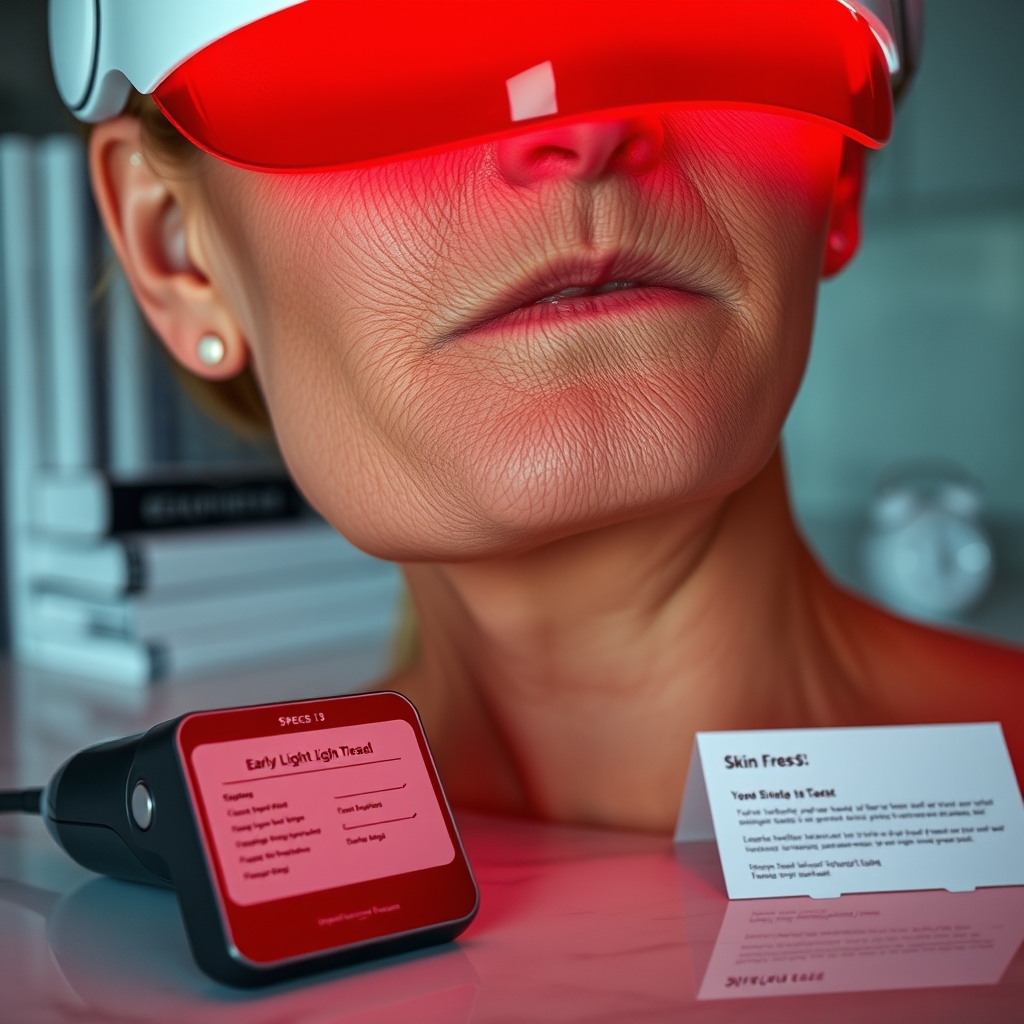
The standout evidence: 2022–2024 randomized controlled trials using dual wavelengths (red 630–660nm and NIR 830–850nm) at clinical fluence (4–6 J/cm², 10–12 minutes a session) produced a 20% to 31% jump in dermal collagen and 15% to 30% wrinkle depth reduction over 8 to 12 weeks. These trials measured cutometry (skin rigidity and bounce), 3D imaging of wrinkles, and biopsies of collagen markers. Studies did not find meaningful changes from underpowered wavelength, insufficient session length, or sporadic (less than twice weekly) use. Typical course: improvement is gradual, peaks post-protocol, and maintains for months if sessions are steady. Learn more about device reviews and clinical snapshot images in our red light therapy mask before and after guide.
Evidence for acne — what wavelengths and protocols work
Acne-focused studies distinguish blue (415–425nm) from red (630–660nm) and their combos. Dual blue-red protocols deliver the best home results for mild-to-moderate acne, with lesion reduction rates of 45% to 70% after 4–6 weeks. Red alone may help with post-inflammatory redness, but results are consistently higher with both. At-home LED acne masks and wands delivering these wavelengths, with a minimum of two sessions per week, match clinic-level clearance in up to 60% of mild-to-moderate cases. For severe or hormonal cases, combine with dermatologist treatment for best results. For more, explore our home device recommendation guide.
Clinic devices vs at-home devices — can you expect the same results?
The difference lies in the numbers: Clinical machines are calibrated to precise wavelengths (630–660nm red, 830–850nm NIR), high enough irradiance (usually ≥50 mW/cm²) and session fluence (4–6 J/cm² per treatment area). Well-built at-home LED masks and wands that publicly state and meet these specs can yield results statistically comparable to their clinical counterparts—provided the user completes the full protocol (usually two or three 10 to 12 minute sessions per week, for 8–12 weeks). There’s wide variation across at-home models, however: Many cheap devices do not hit these clinical targets. Always check technical documentation for independent testing. If you’re considering a larger or panel-style device, see our explainer: red light therapy panel for home.
Technical specs that truly matter
When buying, focus on:
- Wavelength: Best-evidence red light therapy for skin uses 630–660nm (red) plus 830–850nm (NIR).
- Irradiance (Power): Aim for at least 40–60 mW/cm² at treatment distance, measured independently.
- Fluence (Total Dose): Protocols showing collagen and wrinkle improvement delivered 4–6 J/cm² per session.
- Session Duration: 10–12 minutes per area, repeated two or three times per week, over at least 8–12 weeks.
Ignore flashy features like color cycling or ambient “beauty” lights—they aren’t clinically validated. If measuring yourself, fluence is (irradiance mW/cm² x seconds per session) / 1000 = J/cm². For full-skin protocols and exact measurements, read: photobiomodulation therapy device guide.
Quantitative at-home device results — what trials and aggregated user data report
Well-designed studies and user groups report the following for at-home red light therapy devices that meet clinical settings:
- Collagen biomarker increases: 20–25% after 8 weeks (vs. baseline)
- Wrinkle depth reduction: 15–25% after 8–12 weeks
- Acne clearance: up to 60% of mild-to-moderate cases after 4–6 weeks
Note: Many published “before and after” results and testimonials are from small, sometimes open-label studies. User outcomes vary by skin type, baseline condition, and adherence to protocol. For a gallery and further device insights, read our red light therapy mask before and after resource.
Timeline and real before-and-after expectations
If you’re expecting overnight transformation, pause: Inflammation and redness from acne can ease within two to six weeks. Collagen and visible wrinkle improvements occur more slowly—typically between six and twelve weeks with full protocol adherence. Professional before-and-after clinical images often use consistent lighting, angles, and no makeup; to honestly track your own results, use the same camera, settings, and light source each month. Studies and user data both support visible changes by week 8. To see how user results match up, visit our in-depth red light therapy before and after skin guide.
Cost, lifespan and product durability — what you’ll pay and what’s realistic
Red light therapy for skin comes with a price range: Entry-level at-home masks and wands start in the low hundreds of dollars, with high-quality models exceeding $600. Panellized or “clinical strength” devices may cost much more. Lifespan claims often state 10,000–50,000 hours, but true durability studies are lacking—users rarely replace devices yearly. Always check for a manufacturer warranty and published lifetime ratings. Panel and mask choices may be HSA/FSA-eligible in the US—find out how in our HSA/FSA red light therapy eligibility guide. For context, Harvard Health confirms the typical upfront cost; see Harvard’s red light therapy review.
Common real-world complaints and limitations from users
Despite solid trial results, users raise common issues on Amazon, Reddit, and forums:
- Slow results or inconsistent improvement: Several weeks are needed. Subpar devices or sporadic use lead to underwhelming changes.
- Poor fit or discomfort: Masks and panels don’t fit every face equally, leading to uneven exposure or slipping during sessions.
- Session burden: 10–12 minute treatments, multiple times weekly, can feel tedious.
- Heat or irritation: Rare, but some users experience mild warmth or temporary redness, usually resolving quickly if protocols are followed.
- Mismatched expectations: Some expect surgical-level lifting or “peel” results; real-world red light therapy delivers gradual and moderate improvement, not miracles.
To minimize disappointment, vet each device for posted specs (not just beauty brand promises), use eye protection, and stick to validated timelines. Most side effects in trials were mild and temporary when dosed correctly. For a side-by-side panel vs. mask vs. wand breakdown, see below:
| Device Type | Typical Specs | Price Range | Key Pros | Key Cons |
|---|---|---|---|---|
| Mask | 630–660nm + 830–850nm, 4–6 J/cm² | $300–$700 | Hands-free, full-face coverage, moderate power | Poor fit on some faces, limited to face/neck |
| Handheld Wand | Similar wavelengths, directed exposure | $100–$400 | Targeted use, portable | Time-consuming for large areas, uneven coverage |
| Panel | High-power, variable wavelengths | $500–$2000+ | Versatile, full-body use, often clinical specs | Bulky, expensive, space required |
Safety, side effects and contraindications — who should pause or consult a clinician
Red light therapy for skin is generally safe, with very few adverse reactions in numerous LED trials. But users should observe key precautions:
- Always wear approved eye protection with close-contact LED or laser devices.
- Avoid if taking photosensitizing medications or if you have conditions that increase light sensitivity (consult your doctor).
- If pregnant, actively undergoing cancer treatment, or with questionable skin lesions, get medical clearance before starting.
- Watch for skin irritation, excessive redness, or burning sensations—stop and re-evaluate the device and dosing if these occur.
Safety reviews confirm minimal risk at valid dose levels, but always verify device certification and safety standards. If in doubt, a dermatologist can help tailor recommendations for your skin type and medical background.
Three important angles competitor articles often miss (must-cover differentiators)
- Device safety standards: Look for IEC, CE, or UL certification, not just marketing claims. Many devices “quote” clinical specs, but cannot prove irradiance measurements or device lifespan claims.
- Skin tone efficacy: Most studies to date are underpowered for participants with darker skin. Melanin may slightly affect penetration or collagen response—emphasize user-tracked results and avoid extrapolation.
- Lack of long-term data: Few studies report outcomes beyond 3–12 months. There’s no guarantee short bursts deliver permanent improvement; maintenance sessions and annual reassessment are wise.
Always challenge sources making sweeping promises—read the trial details, especially for home devices. For technical validation and device lists, see our guide to FDA-cleared red light therapy devices.
Practical buying checklist and user protocol (the appendix the reader can use right away)
- Required wavelengths: 630–660nm (red) and 830–850nm (NIR) for best evidence-backed results.
- Minimum output: 4–6 J/cm² fluence per session (or minimum 40 mW/cm² at the treatment distance for 10–12 minutes).
- Session structure: 10–12 minutes, two to three times weekly, for at least 8–12 weeks.
- Tracking: Use the same phone/camera and lighting to take monthly photos; note any improvements in tone, firmness, or acne week by week.
For a full protocol sheet and advanced photo tracking, dive deeper in our top photobiomodulation therapy device guide.
Bottom line and action plan — who should buy, who should see a clinician, and next steps
If you have mild-to-moderate wrinkles, early loss of firmness, fine lines, or frequent acne and want a clinic-tested treatment at home, red light therapy mask is a realistic, low-risk investment—if and only if you buy a device meeting clinical wavelength and fluence standards, and if you’re ready to commit to regular sessions for three months. If your goals include deep wrinkle filling, severe scarring, or resistant acne, or if you’re pregnant or on photosensitizers, consult a dermatologist first and consider in-office or alternative therapies. For best results: research device specs (don’t trust stock photos alone), start photo tracking from day one, and schedule a 12-week check-in to evaluate progress. To explore top devices, compare features, and read success stories, see the latest best red light therapy device reviews or browse our LED mask and before-after gallery. If you’re ready, build your plan and get started this week—measurable changes can be yours in weeks, not years.
Frequently Asked Questions
How soon will I see results from red light therapy for skin?
Most users notice visible improvements—such as brighter tone or reduced redness—within 4–6 weeks. Firmness and wrinkle changes generally appear after 8–12 weeks if sessions are consistent and device specs are clinical-grade.
Can I use red light therapy every day?
Twice or three times weekly sessions are proven effective; most trials did not test daily use, and overuse is not shown to be better. For safety and optimal results, stick to clinical protocols unless otherwise directed by a professional.
Are at-home devices as effective as clinical treatments?
If the device matches clinical specs (wavelength, fluence, power), at-home LED masks and panels deliver similar results to in-office treatments for anti-aging and mild to moderate acne.
Who should avoid or consult before starting red light therapy?
If you are pregnant, take photosensitizing medications, have active skin cancer, or sensitivity to light, seek medical advice before starting. Always use protective eyewear and start with lower-frequency sessions to monitor your response.
How do I pick the best device for real results?
Look for published wavelengths (630–660nm and 830–850nm), stated fluence (4–6 J/cm² per session), clinical trial references, and third-party certifications on any device you consider purchasing. For vetting and feature comparisons, see our best red light therapy device 2026 guide.