


Red light therapy eye health is increasingly in the spotlight for patients with early-to-intermediate dry age-related macular degeneration (AMD). If you or a loved one is searching for evidence-based adjunctive therapies, 670nm red light therapy—also known as photobiomodulation—might seem promising. But what does the most recent clinical evidence say? Can it actually improve vision? This guide breaks down the science, treatment steps, pitfalls, costs, and the latest on clinic and home-use devices—so you can make an informed, safe choice.
Key Takeaways
- Clinical trials from 2022 to 2024 show 670nm red light therapy can yield modest vision gains and lower geographic atrophy risk in early-to-intermediate dry AMD—but results depend on dose, timing, and device quality.
- Only select clinic-based devices for dry AMD are FDA-authorized or cleared; most home-use devices lack regulatory approval and can vary widely in safety and potency.
- Costs, frequent clinic visits, and small but real risks (including higher conversion to wet AMD) are key concerns—patients should discuss individualized monitoring and realistic expectations with their retina specialist.
- Executive summary — What the 2022–2024 evidence shows
- Step-by-Step Guide to Red Light Therapy for Eye Health
- Advanced Analysis & Common Pitfalls
- Conclusion
- FAQ
Executive summary — What the 2022–2024 evidence shows
Recent multicenter trials, including LightSITE III (2023) and Valeda (2022–2024), found that photobiomodulation using 670nm red light (frequently combined with 590nm and 850nm) produced statistically significant, but modest, improvements in best-corrected visual acuity (mean 4–6 ETDRS letter gain) in patients with early-to-intermediate dry AMD. Treated patients saw a lower risk of developing new geographic atrophy compared to placebo (about 1% vs 10% at 12 months). Safety overall is favorable: trials report no serious ocular injury, though a small but notable increase in conversion to wet AMD has emerged (about 2–3% higher than sham). FDA-cleared systems exist for dry AMD, but most home-use devices lack regulatory oversight and are not formally approved for eye health purposes.
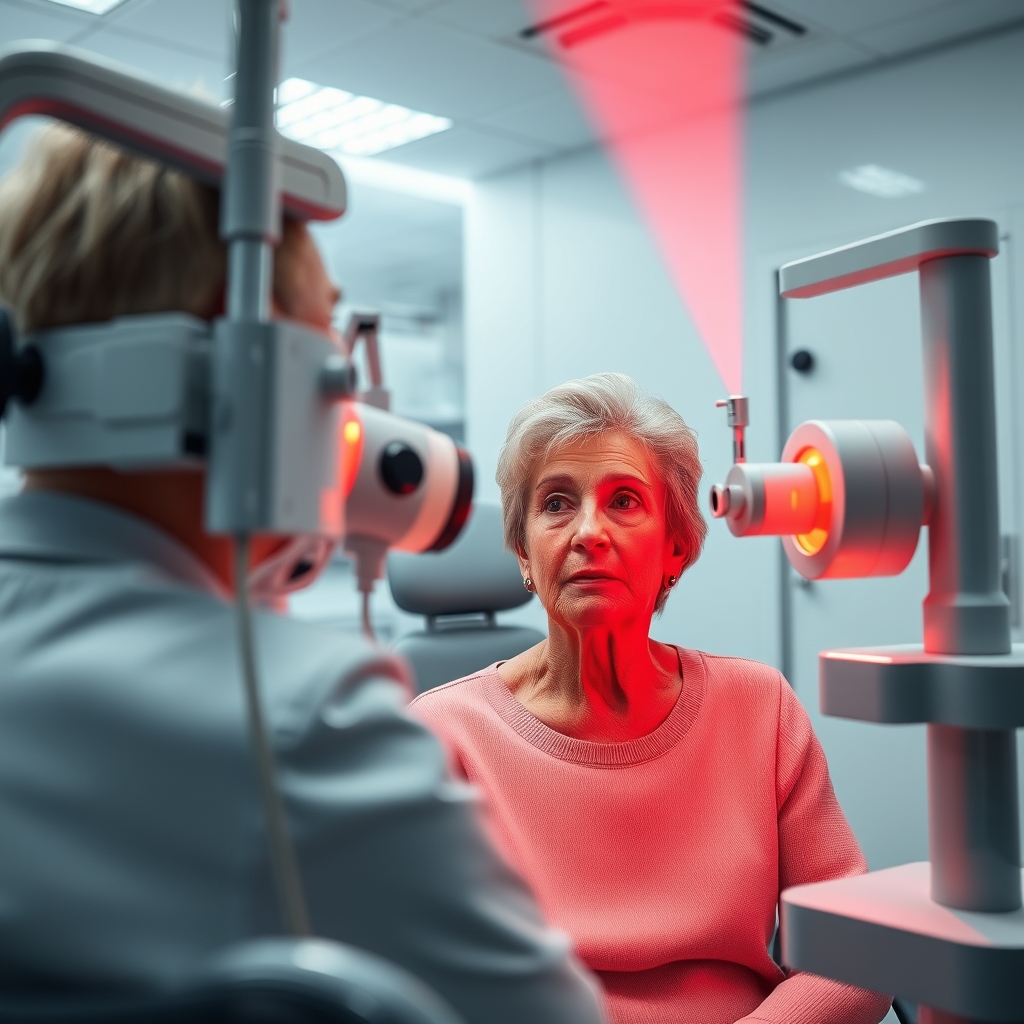
Step-by-Step Guide to Red Light Therapy for Eye Health
If you’re considering red light therapy for AMD, here’s a stepwise approach backed by the latest evidence and expert recommendations:
- Confirm diagnosis and eligibility. Photobiomodulation is studied only for early-to-intermediate dry AMD. Ask your retina specialist to confirm your stage and review the pros and cons for your individual case.
- Choose your treatment venue. The major studies use clinic-based devices. These deliver precise 670nm (±590nm and 850nm) light at regulated doses, administered by trained staff. Most at-home or consumer devices lack equivalent validation. If offered a home-use device, request supporting data and confirm if eye protection and dosing are rigorously defined.
- Understand the regimen and dosing. Standard clinic-based regimens usually involve nine treatments over three to five weeks (e.g., three sessions per week), with each session lasting just a few minutes per eye. Booster treatments may be repeated every three months, depending on progress. For example, LightSITE III used fixed parameters; pilots like Glen Jeffery’s study used 40 mW/cm² for 2 minutes (totaling 4.8 J/cm²) daily.
- Get baseline and follow-up measurements. Before starting, undergo full visual acuity, fundus photography, and OCT (retinal scan) for baseline. Continue monitoring at every booster session and every three to six months after, with prompt reporting of any sudden vision change (to catch rare wet AMD conversion).
- Expect realistic results. Data shows typical improvements of 4–6 letters on eye charts, less central vision loss, and a lower risk of new geographic atrophy—but not a cure. Results can wane without maintenance, and no device guarantees response in every patient.
For a detailed look at red light therapy device safety, protocols, and at-home device comparisons, check out our comprehensive guide on the best red light therapy devices for clinic and home use.
Advanced Analysis & Common Pitfalls
Despite impressive headlines, results vary—due to cohort selection, device design, and dosing details. Below is a review of recent negative/null results, safety facts, practical hurdles, and what you need to watch out for as a patient or clinician.
Common pitfalls and limitations
- Response depends on disease stage: Gains are consistently shown only in early-to-intermediate dry AMD—those with advanced geographic atrophy or wet AMD are not candidates and have not shown benefit.
- Dose and delivery matter: A key pilot (Glen Jeffery, 2021) using a 670nm handheld torch (40 mW/cm² for 2 min/day) boosted scotopic sensitivity in healthy seniors, but showed no measurable benefit in eyes with established AMD, suggesting effective dosing and patient selection are critical (full source).
- Device quality is inconsistent: At-home and consumer platforms often lack regulatory oversight, offer variable irradiance, and do not always include adequate eye shielding—raising risk of phototoxicity or under-dosing. User forums report skepticism and mixed results.
- Cost and insurance gaps: Clinic-based PBM is rarely covered by insurance, requiring 9+ visits up front plus quarterly boosters, leading to high out-of-pocket expenses for most patients (see details at AAO coverage).
- Slight risk of wet AMD conversion: Meta-analyses indicate a nontrivial, though small, increase (2–3% above placebo) in eyes developing neovascular AMD post-treatment, requiring diligent monitoring and patient consent.
- Uncertain long-term results: Most published studies are 12 months or less. Longer-term durability, optimal booster schedules, and integration with anti-VEGF or AREDS supplements are open research topics (more detail).
| Treatment Option | Visual Acuity Benefit | Geographic Atrophy Reduction | Wet AMD Conversion Risk | FDA Authorization | Insurance Coverage |
|---|---|---|---|---|---|
| Clinic-based PBM (670nm/Valeda) | +4 to +6 ETDRS letters (avg) | Yes (1% vs 10% at 12mo) | +2–3% (vs sham) | Yes (select devices) | Rare/limited |
| At-home/consumer PBM device | Variable/unproven | Unknown | Unclear | No | No |
| Anti-VEGF injections (wet AMD) | >90% maintain/improve | No effect | Not applicable | Yes | Yes (most cases) |
To learn how photobiomodulation compares to other adjunctive therapies and for additional techniques on eye protection, see our section on photobiomodulation therapy for home use and review clinic-tested options in our FDA cleared red light therapy device guide.

Conclusion
Red light therapy eye health research shows that 670nm photobiomodulation has a growing but nuanced evidence base for early-to-intermediate dry AMD. While modest vision gains and a reduced risk of new geographic atrophy make it a viable adjunct—especially at regulated, clinic-based settings—key uncertainties regarding long-term results, out-of-pocket costs, and home-use device safety remain. Always work closely with your retina specialist, seek verified FDA-cleared devices for in-office use, and ensure continuous monitoring for wet AMD. For personalized guidance and detailed comparisons, explore our guides to the best red light therapy devices and near infrared eye rejuvenation options. Demand clarity, safety, and evidence—your sight is worth it.
FAQ
Is red light therapy a replacement for anti-VEGF injections or AREDS supplements?
No. Photobiomodulation is adjunctive for dry AMD; anti-VEGF is essential for wet AMD and AREDS supplements remain standard of care for nutritional support. PBM does not replace these established treatments (AAO news).
Is it safe to use red light therapy devices at home for eye health?
Most home-use or over-the-counter red light therapy devices are not FDA-cleared for ocular indications. Safety, dosing consistency, and effective shielding are often lacking; best practice is to use FDA-cleared clinical devices under medical supervision.
What should I expect after 3, 6, or 12 months of red light therapy?
Published studies report modest vision gains (typically 4–6 ETDRS letters) within the first 3 months and maintenance with quarterly boosters. Long-term (>12 month) benefit and durability are open research questions (see EUROLIGHT 2024–2026).
Does photobiomodulation work for all patients with AMD?
No. Only early-to-intermediate dry AMD patients showed consistent benefit. Individuals with advanced geographic atrophy or wet AMD have not demonstrated improvement in trials.
What are the main side effects and risks of red light therapy for eyes?
Most common are mild, transient retinal irritation or photophobia. There is a small, but notable, increased risk (2–3% above sham) of developing wet AMD, so regular monitoring is critical after treatment.