


Red light therapy for weight loss is rapidly gaining attention, but most people want to know: does it actually work, what’s realistic to expect, and how can you use it safely and cost-effectively? Here’s a concise, evidence-first look at what both clinicians and savvy consumers need to know.
Key Takeaways
- Clinical evidence shows modest, localized fat and inch losses with red light therapy for weight loss when standard protocols are followed, but results vary and may be short-lived.
- Best outcomes occur as an adjunct to diet and exercise, especially in individuals with lower BMI or predominantly subcutaneous fat.
- Costs and maintenance sessions can add up quickly — often exceeding $2,000 for full treatment courses — and dramatic, permanent fat loss promises remain unsupported.
- Quick snapshot — can red light therapy (RLT) help with weight loss and body contouring?
- What photobiomodulation and RLT lipolysis actually do (mechanism of action)
- The strongest clinical evidence (2022–2024): measurable outcomes and limits
- Typical protocols that produced results (wavelengths, session length, frequency, target areas)
- Who benefits most — patient selection and realistic expectations
- Real-user feedback — common complaints and disappointment themes
- Head-to-head — how infrared light therapy compares with cryolipolysis and ultrasound
- Costs in 2024 — at-home devices vs in-clinic full courses
- What photo databases and patient testimonies actually show (before & after realism)
- Safety and adverse events — what the literature and users report
- Major evidence gaps and underexplored subtopics (actionable research/coverage opportunities)
- Practical takeaways — protocol checklist for clinicians and consumers
- Bottom line & recommended next steps
- FAQ
Quick snapshot — can red light therapy (RLT) help with weight loss and body contouring?
The latest reviews and clinical studies from 2022-2024 suggest red light therapy for weight loss achieves modest, localized fat reductions — typically observed as inch loss in targeted areas like the waist, thighs, or hips. However, results can be inconsistent and often partially rebound after treatments end. Measured improvements are usually small, ranging from about 0.8 inches (~2 cm) to 2.5 inches across multiple areas over 6–12 sessions. For reliable, lasting change, RLT is best used as a supplement to diet, exercise, and lifestyle modifications, not a standalone solution. The durability of results and optimal maintenance strategies remain unclear.
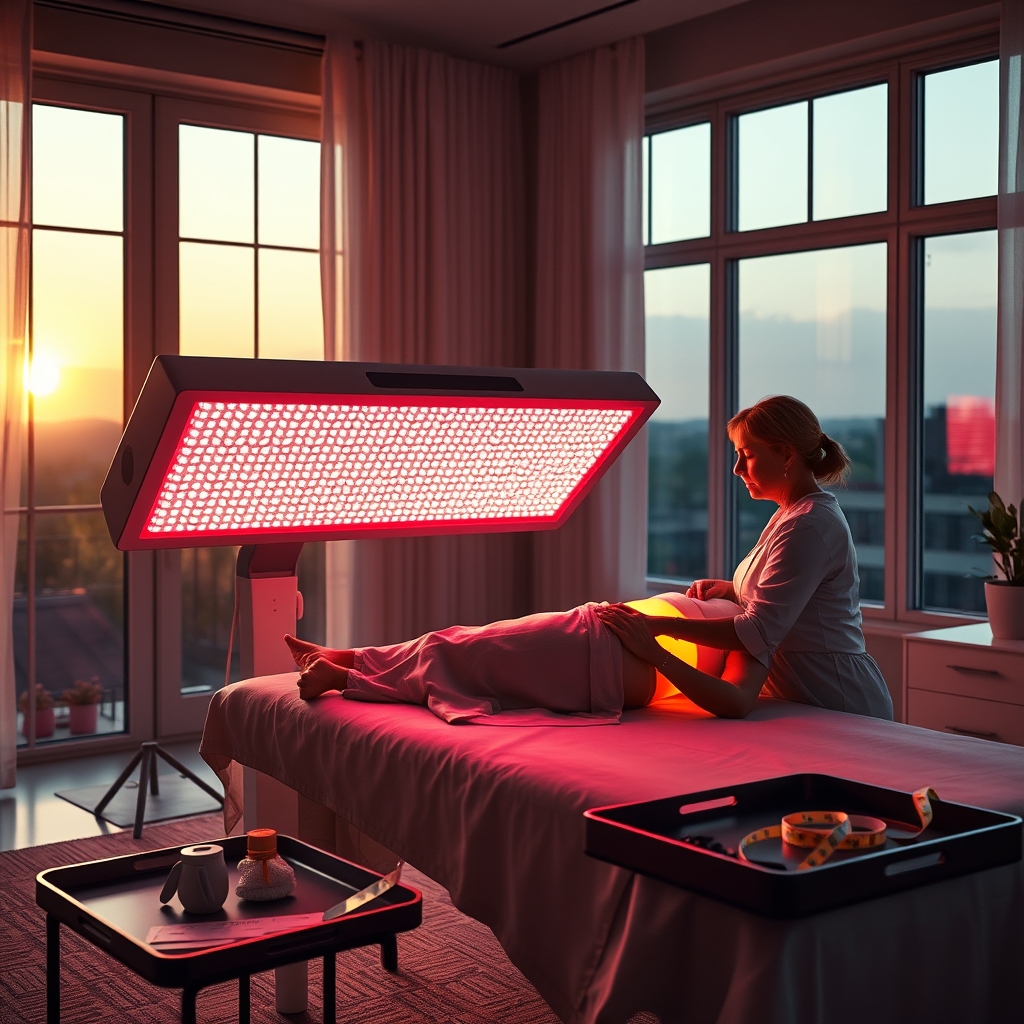
What photobiomodulation and RLT lipolysis actually do (mechanism of action)
Red light therapy uses specific wavelengths (typically 660 nm red and 850–950 nm near-infrared) to trigger a process known as photobiomodulation adipose tissue. When applied to the skin, studies show that RLT may stimulate fat cells (adipocytes) to release stored triglycerides. This process, called RLT lipolysis, temporarily changes how fat cells manage and release energy. Released fatty acids enter the bloodstream and can be metabolized — but unless accompanied by a calorie deficit or increased activity, these fatty acids might simply be taken up again by fat cells. The take-home: red light opens the door, but real fat loss hinges on your body’s overall energy balance.
The strongest clinical evidence (2022–2024): measurable outcomes and limits
Recent studies offer encouraging but measured results for red light therapy body contouring. In 2022–2024, most high-quality trials report:
- Waist/hip circumference reductions of 0.8 to 2.5 inches after 6–12 sessions (3–5 treatments weekly, 6–8 weeks).
- Single treatments in some protocols have documented up to 26% reduction in subcutaneous fat thickness at the treated site. However, these changes often diminish over time without maintenance.
- Combining RLT with a reduced-calorie diet and exercise: additional 4 kg total weight loss (for example, ≈8 kg loss vs ~5 kg with diet alone), with about 8 kg of fat mass loss over eight weeks.
Effectiveness declines for deeper fat or higher BMI individuals, and long-term durability remains uncertain. For corroborating data, see NovaaLab’s review and this summary of trials.
For more on red light therapy device technology and evidence, see our guide to the best red light therapy device 2026.
Typical protocols that produced results (wavelengths, session length, frequency, target areas)
The most effective clinical protocols for infrared light therapy fat loss are:
- Wavelengths: Red light at around 660 nm and near-infrared at 850–950 nm.
- Session Duration: 10–30 minutes per area.
- Frequency: 3–5 times per week, usually for 6–8 weeks.
- Target Areas: Abdomen, hips, and thighs are most studied.
Most studies use professional multi-LED pads or light panels positioned close to the treatment area. Control of total energy dose (irradiance × time) and precise measurement of inches lost (via tape or ultrasound) are critical for reproducibility.
If you’re considering combining RLT with at-home body contouring, our detailed reviews of red light therapy panels and near infrared light therapy benefits can help you compare top options.
Who benefits most — patient selection and realistic expectations
Clinical studies and verified-user trends indicate red light therapy is best suited to:
- Individuals with a lower to moderate BMI and superficial subcutaneous fat.
- People willing to adhere to multi-session protocols and concurrent lifestyle changes.
- Those who see value in small, incremental changes (rather than dramatic reductions).
Value is lowest for people with higher BMI or predominantly visceral (deep) fat stores, where RLT’s penetration and impact are limited. Experts agree: it’s a useful adjunct, not a replacement for conventional diet or exercise plans.
Real-user feedback — common complaints and disappointment themes
Analysis of RealSelf, Reddit, and Trustpilot reviews reveals consistent themes regarding does red light therapy burn fat:
- Results are modest and sometimes transient; many see only slight improvements in measurements.
- High maintenance and cost burden: Packages often exceed $2,000, with ongoing sessions needed to sustain results.
- Unmet expectations: Disappointment with marketing promises of “dramatic” fat loss or cellulite removal. Effects rarely match before-and-after photos.
- Occasional adverse reactions: A minority report skin irritation or no effect, especially among higher BMI users.
When comparing consumer experiences, it is important to weigh claims critically and look for independently-verified outcomes.
Head-to-head — how infrared light therapy compares with cryolipolysis and ultrasound
Infrared light therapy fat loss methods like RLT compete with cryolipolysis (CoolSculpting) and ultrasound or RF body contouring. Here’s how they differ:
| Modality | Efficacy (Fat Loss) | Downtime/Side Effects | Cost | Mechanism |
|---|---|---|---|---|
| Red Light Therapy (RLT) | Modest, localized (0.8-2.5 in) | Minimal; occasional mild irritation | $2,000+ per full course | Photobiomodulation adipose tissue/lipolysis |
| Cryolipolysis | Moderate to large localized reduction | Temporary numbness, swelling | $3,000–$5,000 per area | Cold-induced apoptosis (cell death) |
| Ultrasound/RF | Moderate localized reduction | Potential discomfort, swelling | $1,500–$4,500 per area | Thermal/mechanical fat disruption |
Clinical sources confirm RLT is safest for those averse to pain or downtime, but head-to-head controlled comparisons are lacking and industry claims may exaggerate typical outcomes. For more detail, our post on photobiomodulation therapy explains the differences further.
Costs in 2024 — at-home devices vs in-clinic full courses
Cost is the leading cause of user disappointment. Here’s what to expect in 2024:
- In-Clinic Packages: Most providers bundle a 6–12 session protocol; total costs typically range from $2,000 up to $3,500 or more. Maintenance sessions are strongly encouraged for durability.
- At-Home Devices: Prices span from $200–$1,300 for basic consumer models. Professional-grade panels or belts exceed $1,500. However, efficacy is usually lower than in-clinic due to device power/controls.
- Hidden Costs: Maintenance sessions every 1–2 months are often required to sustain reductions, according to verified-review syntheses.
If you are considering at-home use, see our guides on the best red light therapy panel and red light therapy belt (many body belts are marketed for both pain and abdominal fat reduction).
What photo databases and patient testimonies actually show (before & after realism)
Objective video and photo galleries almost always show small but visible inch reductions, not dramatic transformations. Many commercial before-and-after sets feature:
- Lighting and posture changes that exaggerate effect.
- Measurement bias (improper tape placement, no blinding, self-reported data).
- Modest, often reversible changes within the measured 0.8–2.5 inch range; reported rebounds after stopping therapy.
How to evaluate a before/after photo:
- Look for the same pose, distinguishing marks, and consistent lighting.
- Check for independent measurement (professional, not self-measured).
- Consider temporal proximity: was the “after” photo taken at least 1–2 weeks post-treatment?
- Be skeptical of “dramatic” differences without objective inch-loss proof.
For more on real clinical images and what’s possible, see our deep dive on red light therapy mask before and after.
Safety and adverse events — what the literature and users report
The safety profile for RLT lipolysis is favorable: treatment is non-thermal and non-invasive. Most users experience no side effects, but a minority report mild skin irritation, rash, or temporary discomfort. Best practices include:
- Selecting certified devices and ensuring operator expertise for in-clinic sessions.
- Avoiding use over cancer-affected sites, active infection, or in pregnancy (unless directed by a physician).
- Following manufacturer and clinical guidelines for distance and exposure time.
Healthline’s safety overview is a good reference for contraindications and rare risks.
Major evidence gaps and underexplored subtopics (actionable research/coverage opportunities)
Medical researchers and consumers should be aware of these ongoing gaps in the science:
- Long-term durability: Few trials monitor fat/weight regained post-therapy; rebound is likely unless changes are maintained.
- Standardized protocols: Optimal device distance, wattage, and exposure duration remain underexplored. Dosimetry reporting is inconsistent.
- Head-to-head studies: No robust RCTs directly comparing RLT with other technologies (cryolipolysis, ultrasound).
- Cost-effectiveness: Need for modeling to determine if benefits justify expense or maintenance.
- Patient selection: More data required on BMI/fat-type thresholds where RLT works best—or not at all.
For background on the science of photobiomodulation adipose tissue and translational research in body applications, see our guide to photobiomodulation therapy.
Practical takeaways — protocol checklist for clinicians and consumers
Here are actionable steps for anyone considering red light therapy for weight loss or infrared light therapy fat loss in practice:
- Ideal candidates: Lower BMI, stable weight, mostly superficial subcutaneous fat, good compliance with health habits.
- Starting protocol: 660 nm + 850–950 nm device. 10–30 min per area per session, 3–5 sessions weekly for 6–8 weeks.
- Measurement best practices: Professional circumference or (preferably) ultrasound. Track waist, hip, thigh at the same anatomical landmarks each time.
- Cost counseling: Warn about packages ($2,000+ typical) and need for ongoing maintenance. At-home panels are cheaper but may deliver less measurable change.
- Manage expectations: Most will see inch loss in the 0.8–2.5 inch range; dramatic, permanent fat loss is exceedingly rare.
- Consider alternatives: Recommend cryolipolysis or ultrasound for larger reductions or patients with higher BMI—but weigh cost, downtime, and risks.
For those ready to invest, review our research-driven FDA cleared red light therapy device list for safe, evidence-backed picks.
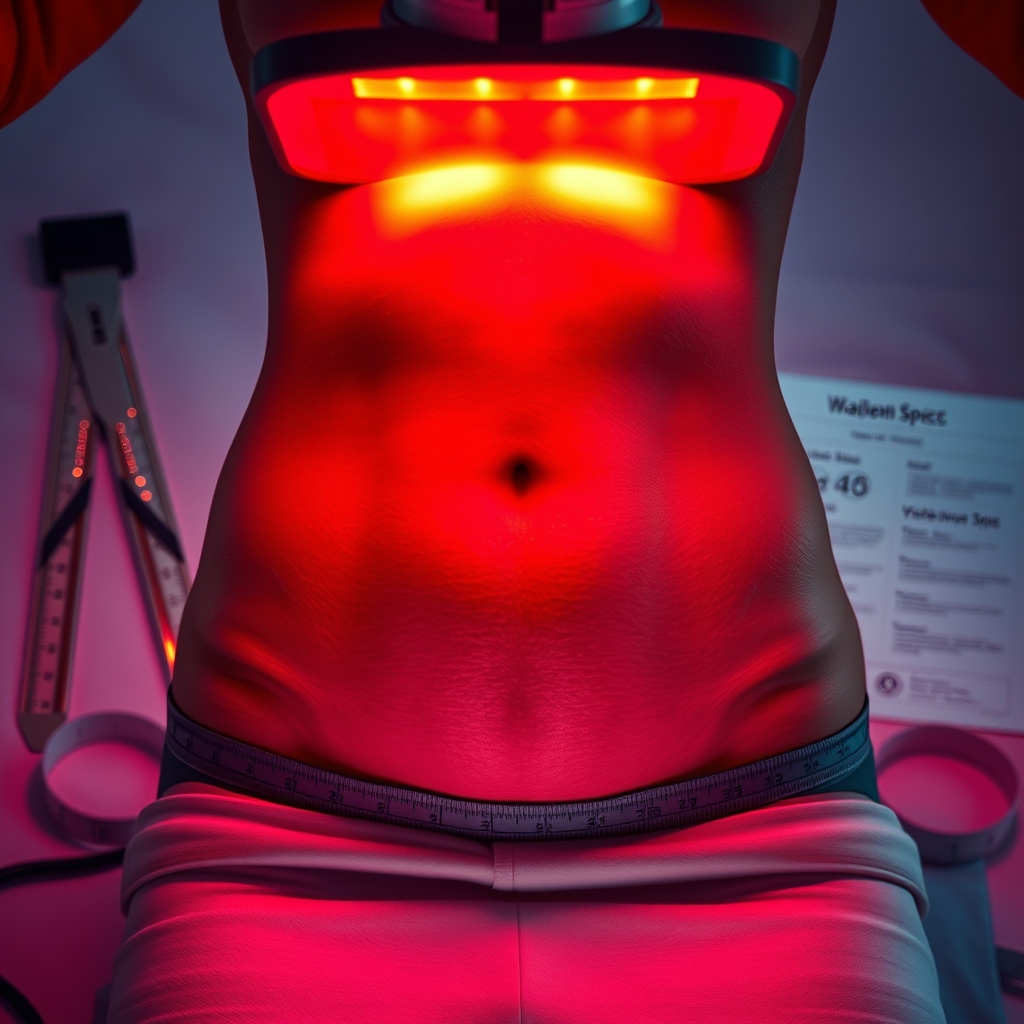
Bottom line & recommended next steps (for readers and for editorial follow-ups)
In summary, red light therapy body contouring with clinical-grade protocols delivers modest, localized fat reduction, especially when paired with diet and exercise. Trials show up to 26% subcutaneous fat reduction in some cases, but typical inch losses are significantly lower and results often require maintenance. Cost, durability, and patient selection remain key barriers. For most, it’s an adjunct—not a miracle. If you’re considering your own plan or advising a patient, compare cost, convenience, risk profile, and long-term motivation before investing in red light therapy for weight loss.
Still curious about advanced device options, protocols, and head-to-head clinical data? Explore more on photobiomodulation therapy or see our top best red light therapy device reviews for 2026.
FAQ
How much fat can you realistically expect to lose with red light therapy?
Clinical studies suggest an average reduction of 0.8 to 2.5 inches across the waist, hips, or thighs after a course of 6–12 treatments, with the largest single-session reduction reported as up to 26% in subcutaneous fat thickness. Large, lasting reductions are uncommon.
Does red light therapy work for everyone?
No. It is most effective for those with lower BMI and mostly subcutaneous fat. Results are less dramatic for those with higher BMI, deeper fat stores, or poor adherence to protocol.
How long do the results last after a full course of RLT?
Most users see partial rebound in measurements several months after stopping unless maintenance sessions and healthy lifestyle changes continue. There is limited evidence for permanent fat loss.
Are at-home red light devices as effective as in-clinic treatments?
Generally, no. At-home devices tend to have lower power and less consistent results. Professional in-clinic devices with monitored protocols yield more significant changes.
Is red light therapy safe?
When used as directed, RLT is considered safe with minimal side effects. Rarely, users may experience mild skin irritation. Avoid if you have certain medical conditions or are pregnant, unless cleared by a provider.