


red light therapy for wound healing is generating buzz as an adjunct treatment for diabetic foot ulcers and post-surgical scars, thanks to emerging 2022–2024 clinical evidence showing significant improvements in healing time and outcomes. If you or a loved one is searching for practical answers—will this really help, how safe is it, and what device or clinic should you trust—read on to get science-backed, plain-English insights you can actually use.
Key Takeaways
- Recent meta-analyses show red light therapy (photobiomodulation) accelerates wound closure, increases complete healing rates, and reduces pain, with the best effects in diabetic and post-surgical wounds.
- Optimal results depend on correct dosing (wavelength and energy per session). Most significant effects occur at 0.5–5 J/cm² per session using 600–1000 nm red or near-infrared light.
- Generally well-tolerated, but dose variability, darker skin, and protocol inconsistencies are key pitfalls. Standard wound care and medical supervision remain critical.
- What Recent Evidence Reveals About Red Light Therapy for Wound Healing
- How To Actually Use Red Light Therapy for Wound Healing: Step-by-Step
- Advanced Analysis & Common Pitfalls
- Conclusion & Action Steps
- FAQs
What Recent Evidence Reveals About Red Light Therapy for Wound Healing
Clinically studied red light therapy for wound healing (also called photobiomodulation or low-level laser/LED therapy) is now backed by strong meta-analytic evidence from 2022–2024. Across multiple randomized trials, using red or near-infrared light on skin wounds leads to faster closure, higher complete-healing rates, shorter recovery, and less pain.
A major 2024 meta-analysis (Taha et al 2024) pooled 18 randomized trials (670 wounds spanning diabetic ulcers, surgical wounds, burns, and more). It found treated groups had 13.9–37.7% greater reduction in wound area and 2.3–16.7% higher rates of full wound closure, both highly statistically significant (p < 0.0001 for area reduction, p = 0.0003 for full healing).
The most dramatic benefits were seen in diabetic foot ulcers, where laser-treated wounds were more than twice as likely to fully close compared to standard care alone (Ubie 2023). Individual randomized studies show 68% versus 25% ulcer-size reduction at 4 weeks, and full closure rates hit 58–68% by 90 days (versus ≤5% in controls) [reference].
These benefits come with very few side effects. Most patients reported no discomfort, while a small minority experienced brief, mild redness or transient irritation leading to occasional treatment breaks—serious complications were not recorded (see Taha et al., 2024).
One big caveat? Results depend on proper dose and device. Most effective trials used light between 600–1000 nm, with energy delivery (fluence) of 0.5–5 J/cm² per session. Too little or too much energy, and effects drop off (Arndt-Schulz curve). Many consumer devices simply don’t hit these marks.
See our photobiomodulation therapy guide for how PBMT compares to other red light therapies.
How To Actually Use Red Light Therapy for Wound Healing: Step-by-Step
If you’re considering red light therapy for a diabetic wound or post-surgical scar, here’s how to proceed for maximum safety and realistic results.
- Consult your wound-care clinician or doctor. Never start photobiomodulation for an open wound without medical input, especially if you have poor circulation, active infection, or take photosensitizing drugs.
- Choose the right light source. Effective clinical trials used:
- Wavelength: 600–700 nm (red) for superficial wounds and scars; 700–1000 nm (near-infrared) for deeper tissue.
- Fluence (J/cm²): Aim for 0.5–5 J/cm² per session for best results (dose guidelines).
- Irradiance (mW/cm²): 20–200 mW/cm² (higher irradiance means shorter treatment time).
- Device: Medical-grade laser, diode, or LED array—ensure CE or FDA clearance.
Consumer “cosmetic” masks for the face—like those compared in the best red light therapy mask guide—are usually too weak for wound healing.
- Prep the wound. Clean per your clinician’s instructions, and never treat an infected or necrotic wound with light therapy alone.
- Follow a conservative protocol. A common starting schedule: 3–5 sessions per week, 0.5–5 J/cm² per session, continue for 2–8 weeks, stopping if wounds close quickly or discomfort occurs.
- If skin is very dark, dose increases (or frequency adjustments) might be required due to reduced photon penetration.
- Monitor response weekly. Take a wound photo at the same angle (with a ruler for scale) before and every 2 weeks during therapy. Stop and seek medical advice if the wound worsens, you experience persistent discomfort, or if the wound is not shrinking after three weeks of consistent therapy.
- Do not stop standard wound care. Dressings, offloading devices, glycemic/blood pressure control, vascular management, and infection precautions remain non-negotiable.
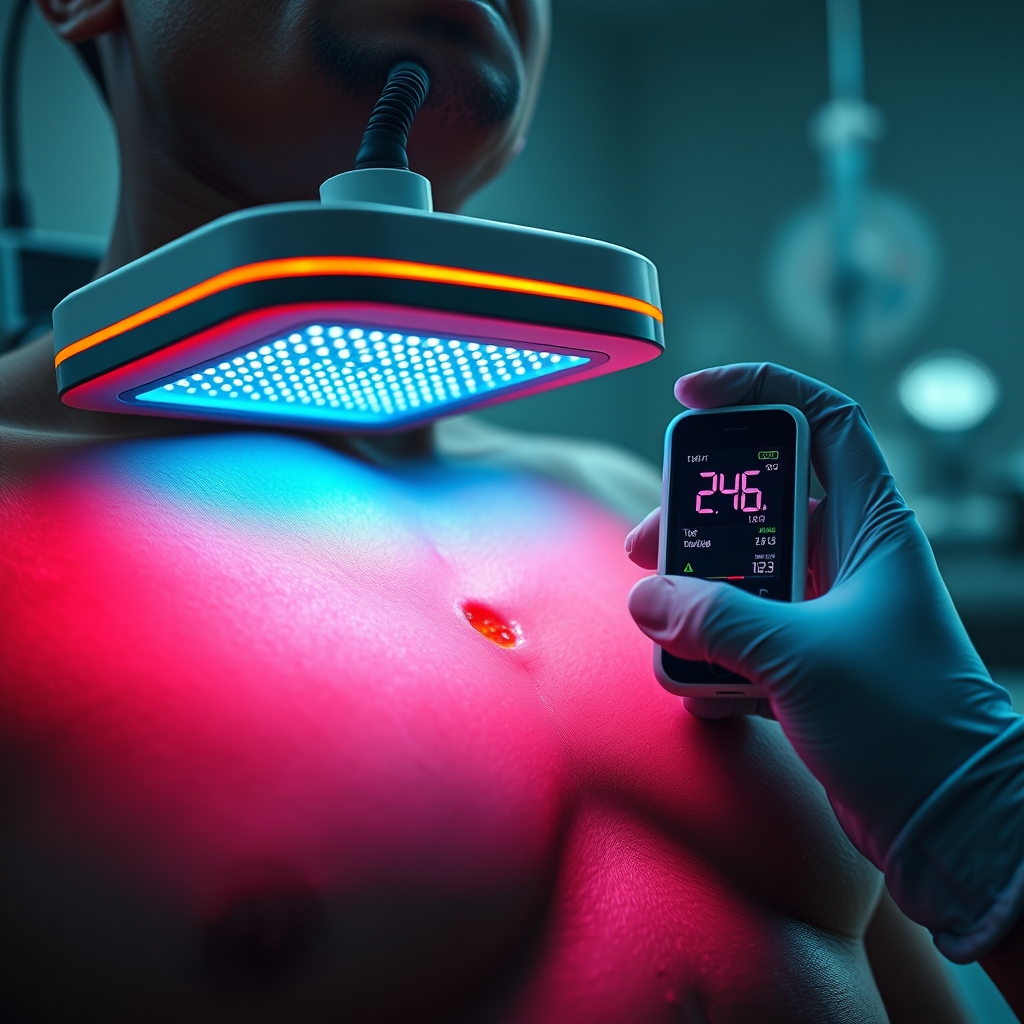
For a technical buying checklist—wavelength, energy specification, FDA/CE status, and more—see our guide on FDA cleared red light therapy devices.
Advanced Analysis & Common Pitfalls
While the benefits of photobiomodulation wound repair are compelling, there are important limitations and pitfalls most articles gloss over.
- Dose inconsistency: Trials used 0.09–90 J/cm², but the best wound healing was seen at 0.5–5 J/cm². Too little has no effect; too much may actually inhibit (Arndt-Schulz effect).
- Device underperformance: Many consumer units for skin/cosmetic use do not reach the necessary energy output or wavelength. Always check specs and regulatory claims against clinical trial parameters.
- Darker skin and keratinized wounds: Photon penetration declines with greater pigmentation or thick wound coverings, so dose or frequency may need careful adjustment [source].
- Unclear benefit in certain etiologies: Not all wounds respond equally. Active malignancy adjacent to wound, ischemic ulcers without blood flow correction, or certain chronic wounds may have minimal benefit and increased risk.
- Healing vs true scar improvement: Most studies end at “successful closure”—long-term scarring/tissue remodeling improvements need further research.
- Cost–benefit realities: Clinics charge $50–$150 per session (20–40 minutes typical); home units cost $500–$2000 but require careful technique. Overall, reported healing is 20–70% faster—on average, 2–3 weeks off standard timelines (meta-analysis).
| Factor | Optimal (Evidence-Based) | Pitfall or Risk |
|---|---|---|
| Wavelength | 600–1000 nm | Cosmetic devices below 600 nm or with unlisted specs |
| Fluence (J/cm²) | 0.5–5 J/cm²/session | Too little (<0.5) or too much (>5) yields poor outcomes |
| Skin Tone | Pale to medium, unbroken skin responds best | Very dark, calloused, or keratinized skin may need higher dose or longer sessions |
| Clinic vs. At-home | Clinic: Regulated devices, supervised care | At-home: User error, unverified specs, lack of support |
| Adjunctive Care | Used with pressure offloading, glycemic & infection control | Use alone delays closure, increases complications |
For larger wounds or advanced recovery scenarios, full-body platforms can be compared in our red light therapy panel guide.
Conclusion & Action Steps
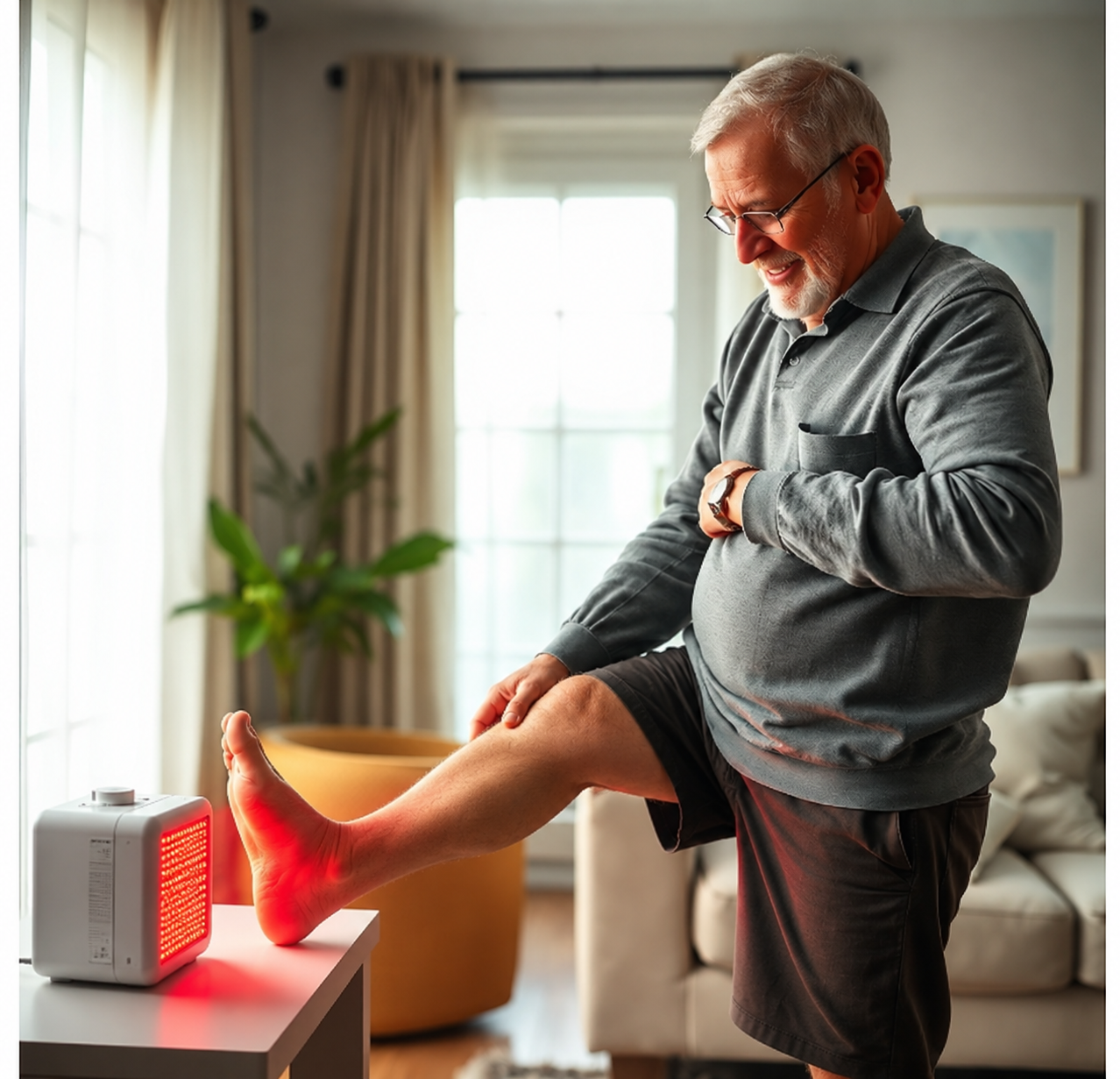
High-quality trials confirm that red light therapy for wound healing offers meaningful benefits for diabetic, post-surgical, and chronic ulcers—when correct dosing, device, and adjunctive care are in place. The focus should be on standardizing protocol (wavelength, 0.5–5 J/cm²/session, supervision) and choosing a regulated device. Talk to your clinician about integrating photobiomodulation wound repair into your routine, ensure your device meets clinical specs, and photograph healing progress. Always combine with core wound care for the safest, fastest results.
Want step-by-step device comparisons? Explore the best red light therapy device guide or see how insurance coverage works in our insurance guide.
Ready to try red light therapy for wound healing? Consult your wound care team and verify your device or clinic meets the numbers proven in real trials.
FAQs
Does red light therapy hurt?
No. Red light therapy for wound healing is non-invasive and painless. Most people feel nothing or occasionally report a mild warming or tingling. Brief redness (erythema) or transient discomfort may occur, usually resolving within minutes.
How quickly will I see results?
Most clinical studies report visible wound shrinkage or improvement within 2–4 weeks of consistent therapy, with full closure up to 2–3 weeks faster than standard care alone. Diabetic wounds often respond faster than surgical scars.
Should I stop dressings or standard wound care while using red light therapy?
Never. Red light therapy should always be used as an adjunct. Continue appropriate dressings, offloading, blood sugar control, and infection management. Light therapy alone is never enough.
Is red light therapy covered by insurance?
Coverage varies. Some medical-grade clinic treatments are covered for chronic non-healing wounds, while most at-home devices are not. See our insurance guide for current options.
Can I use any red light therapy mask or panel for wound healing?
No. Most cosmetic or anti-aging devices do not meet the dose and wavelength required for wound healing. Only use units with verified specifications (600–1000 nm, 0.5–5 J/cm² per session, medical clearance). Check our red light therapy device guide for tested options.