


Red light therapy for neuropathy is gaining momentum as an evidence-driven, non-drug option being explored by adults with diabetic foot pain and chronic nerve damage. If you are searching for proven ways to boost your odds of relief—without opioids—this realistic guide cuts through hype with the exact steps, timelines, clinical data, and user experiences you need before investing in red or near-infrared therapy at home or in a clinic.
Key Takeaways
- Consistent red or near-infrared light therapy (RLT) can deliver meaningful pain reduction for 60–80% of neuropathy patients in 4–12 weeks, especially for diabetic feet (Scientific Reports, 2024).
- Benefits build gradually with daily or thrice-weekly sessions. Severe or long-standing neuropathy may require longer protocols and may not fully respond.
- Safety is high when used properly, but misuse (esp. on numb feet) can cause burns—clinician guidance is strongly recommended.
- Quick takeaway — is RLT worth trying for neuropathy?
- What the latest clinical trials (2022–2024) actually show
- How photobiomodulation helps nerves — mechanisms relevant to regeneration and pain relief
- Proven treatment parameters — wavelengths, session frequency and expected timeline
- Patient experience — benefits, common complaints and adherence realities from verified reviews
- Safety, contraindications and regulatory notes clinicians/patients must know
- Typical cost breakdown (2024) — at-home devices vs professional clinic courses
- How RLT compares to other non-opioid options
- Common content gaps and misrepresentations in top ranking articles — what to correct
- Practical protocol checklist patients can take to their clinician
- Sources to cite (priority evidence)
Quick takeaway — is RLT worth trying for neuropathy?
Red light therapy for neuropathy shows real-world potential for relieving diabetic foot pain and some types of peripheral nerve damage when applied consistently with proper technique. Recent studies and meta-analyses (2022–2024) indicate 60–80% of patients achieve meaningful reduction in nerve pain and sensory gains over a 4–12 week course, especially those with mild to moderate, non-demyelinating neuropathy. Results require patience—expect gradual relief, not instant fixes—and those with long-standing or severe nerve loss may need prolonged or ongoing protocols for best results. Consult your clinician first, especially if you have open wounds, advanced neuropathy, or complex health conditions.
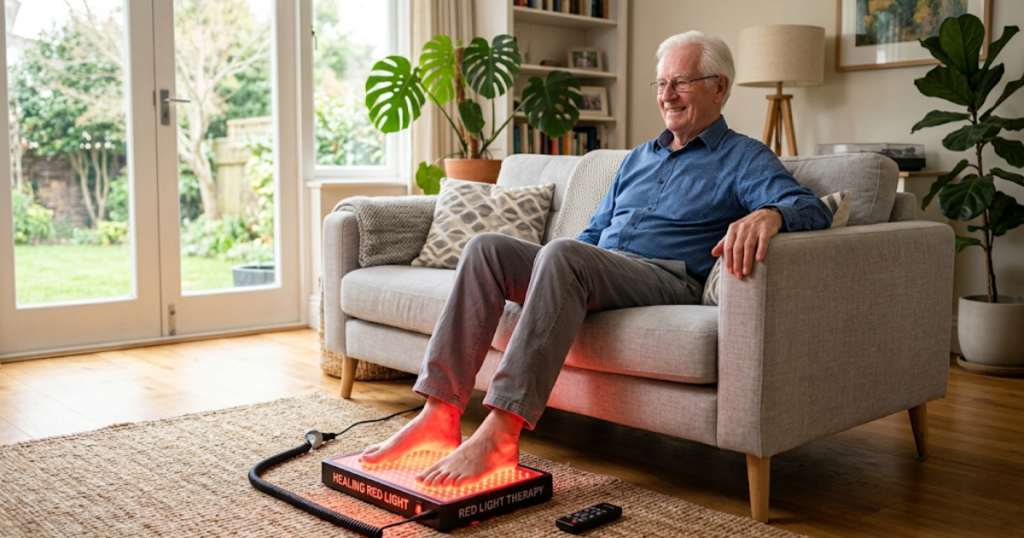
What the latest clinical trials (2022–2024) actually show
Modern randomized controlled trials and meta-analyses now clarify the strengths and limits of RLT for diabetic and peripheral neuropathy:
- Trial designs: Most recent studies targeted adults with diabetic or idiopathic peripheral neuropathy, using sham-device controls and clear endpoints—typically pain scores (VAS/NRS), nerve conduction velocity (NCV), and sensory amplitude.
- Results: In a 2024 Scientific Reports study, participants saw a 36% decrease in nerve conduction latency (faster signal) and measurable increases in motor and sensory conduction after just 3–5 sessions. Across aggregated 2022–2024 trials, about 60–80% reported clinically significant pain reduction and improved sensation after 4–12 weeks of daily or thrice-weekly therapy.
- Limitations: Most studies included 20–100 participants, often with short follow-ups. Blinding is imperfect due to mild heat sensation from active devices. There is some dosing inconsistency across studies (wavelengths, power). Nerves with long-standing demyelination responded less robustly, requiring longer or repeated protocols.
- Best responders: Adults with diabetic neuropathy of the feet, mild to moderate idiopathic neuropathy, and those able to adhere closely to the prescribed schedule benefit most (source).
Read more about differences between clinical and at-home protocols in our detailed red light therapy device guide.
How photobiomodulation helps nerves — mechanisms relevant to regeneration and pain relief
RLT is more than just a light show. Mounting evidence highlights several biological effects that help nerves repair and reduce pain:
- ATP up-regulation: Photons in the red (630–660nm) and near-infrared (810–850nm) wavelengths are absorbed by cytochrome c oxidase in mitochondria, boosting cellular ATP production—providing energy for cell repair and function.
- Reduced oxidative stress and inflammation: Clinical and laboratory data show red/infrared light reduces inflammatory markers and oxidative stress, both drivers of chronic nerve damage and pain (see source).
- Improved micro-circulation: Therapy stimulates angiogenesis (growth of new blood vessels), improving oxygen and nutrient delivery to damaged nerve tissue—crucial for diabetic feet.
- Schwann cell and fibroblast activation: These support myelin repair and axonal regrowth, allowing functional nerve recovery over time.
Want to see real-world comparisons and deeper analysis of PBMT versus classic red light devices? Explore our photobiomodulation therapy guide.
Proven treatment parameters — wavelengths, session frequency and expected timeline
Effective protocols, as reported in controlled studies and meta-analyses, reliably use:
- Wavelengths: Red (630–660nm), near-infrared (810–850nm)
- Session frequency: Daily or three times weekly sessions
- Session length: Typically 10–30 minutes per area
- Total course: 4–12 weeks, with first objective improvements sometimes after 3–5 sessions, but more commonly after 2–4 weeks
Note: Details like energy dose (J/cm²), power density, and surface coverage still vary widely; device selection and placement matter.
If you are considering home use, look for full foot/leg coverage (not just spot devices) and FDA-cleared models. Our best red light therapy panel review explains key device features and what to expect in terms of set-up and safety.
Patient experience — benefits, common complaints and adherence realities from verified reviews
Verified patient reports and clinician feedback tend to agree on both the promise and downsides of RLT for neuropathy:
- Typical sensations: Gentle warmth, mild tingling, or soothing feeling; rarely, transient redness or slight skin irritation (source).
- Common complaints: Time burden (requiring regular, sometimes daily use); initial lack of sensation is not a problem (does not mean it’s “not working”), but it means one must trust the process for 2–4 weeks before judging effect. Frustration increases in those with severe or long-standing nerve damage, where benefit may be limited.
- Adverse effects: Superficial burns or skin irritation do occur, almost always from improper technique or falling asleep on a device—especially in people with loss of nerve feeling. It is crucial to monitor skin and rotate devices per guidelines.
- Reported secondary benefits: Some users note improved sleep, less swelling, and better balance along with pain reduction.
Considering at-home use? Be sure to see our portable red light therapy wand roundup or our recent pain relief therapy guide for home-friendly, travel-safe device picks.
Safety, contraindications and regulatory notes clinicians/patients must know
Used properly, red light therapy is considered non-invasive and safe—but certain precautions are essential, especially in neuropathy where foot sensation may be reduced.
- Who should not self-treat: Anyone with open foot wounds, infection, active cancer near area, or severe loss of sensation should use RLT only under direct clinical supervision.
- Potential risks: Superficial burns from overexposure, especially if numb and unable to sense heat; rare cases of skin irritation. Devices that overheat or are left unattended increase risk.
- Regulatory/insurance status: Medicare (CMS) reviews have cited evidence gaps and historical mixed trial results for coverage (CMS memo), but devices may be HSA-eligible with a clinician’s note.
Always consult a healthcare provider before starting. If you experience worsening pain, redness, or ulceration, discontinue use immediately and seek clinical input.
Typical cost breakdown (2024) — at-home devices vs professional clinic courses
Cost, convenience, and expectations differ sharply between clinic-based and self-managed RLT:
| Option | Upfront Cost | Typical Course | Total Cost (4–12 weeks) |
|---|---|---|---|
| At-Home Device | $150–$1,200 (one-time; device lasts for years) | Daily or 3x/week (10–30 min/session) | $150–$1,200 total (device amortized over repeated use) |
| Clinic Sessions | $40–$120 per visit | 2–4 visits/week x 4–12 weeks (avg 20–36 sessions) | $800–$4,300+ (not usually covered by insurance) |
Most find home use preferable for convenience and cost after an initial clinical demo, but diligent adherence is a must for results. See our article on maximizing reimbursement via HSA/FSA for more tips.
How RLT compares to other non-opioid options
Red and near-infrared light therapy shows comparable effectiveness to other non-drug interventions in recent reviews, but is best used as part of a broader plan:
- TENS (transcutaneous electrical nerve stimulation): Rapid but often temporary pain relief—mechanistically different from RLT; may be combined for better results.
- Physical therapy/exercise: Builds strength, balance, and foot health—typically paired with RLT for overall nerve and mobility support.
- Topical agents: Capsaicin/analgesic creams may provide short-term relief but don’t address root nerve repair.
- RLT’s sweet spot: Most effective as an adjunct for those seeking non-pharmacologic, non-invasive options and willing to be consistent.
Get the details on how specific wavelength and device choices can optimize outcomes for foot and nerve issues in our near infrared light therapy guide.
Common content gaps and misrepresentations in top ranking articles — what to correct
Here are the biggest mistakes and gaps in most top-ranking RLT for neuropathy articles:
- Overpromising “instant relief”—clinical evidence shows benefits accrue over 2–4+ weeks, not days.
- Ignoring detailed dosing: Many don’t specify wavelength or surface coverage, leaving readers with ineffective devices.
- Failing to note reduced success in severe, long-standing, or primarily demyelinating neuropathy, or neglecting crucial safety advice about monitoring for burns.
- Lack of transparent cost versus adherence realities—most readers underestimate session commitment needed for benefit.
- Glossing over the need to talk to a clinician—especially with open wounds, advanced diabetes, or multiple drugs.
For an example of a comprehensive, evidence-based approach to device reviews (beyond hype), explore our evidence-driven device guide.
Practical protocol checklist patients can take to their clinician
This checklist is designed to help you and your provider evaluate red light therapy for neuropathy safely and effectively:
- Pre-treatment screening: Ensure good blood sugar control, identify open wounds or infections, list all medications (especially photosensitizers).
- Device selection: Pick devices with 630–660nm (red) and 810–850nm (near-infrared) bands, full foot/leg coverage, safety shutoff, and FDA clearance if possible (learn more).
- Session plan: Target 10–30 minutes per area, daily or 3x/week, aiming for at least 4–12 weeks for optimal benefit.
- Monitor outcomes: Track pain scores, sleep, walking tolerance, and any sensory changes. Document subjective and (if possible) clinician-monitored nerve assessments.
- Red flags: Stop immediately if you develop unusual redness, burns, worsening numbness, or skin breakdown; notify your provider.
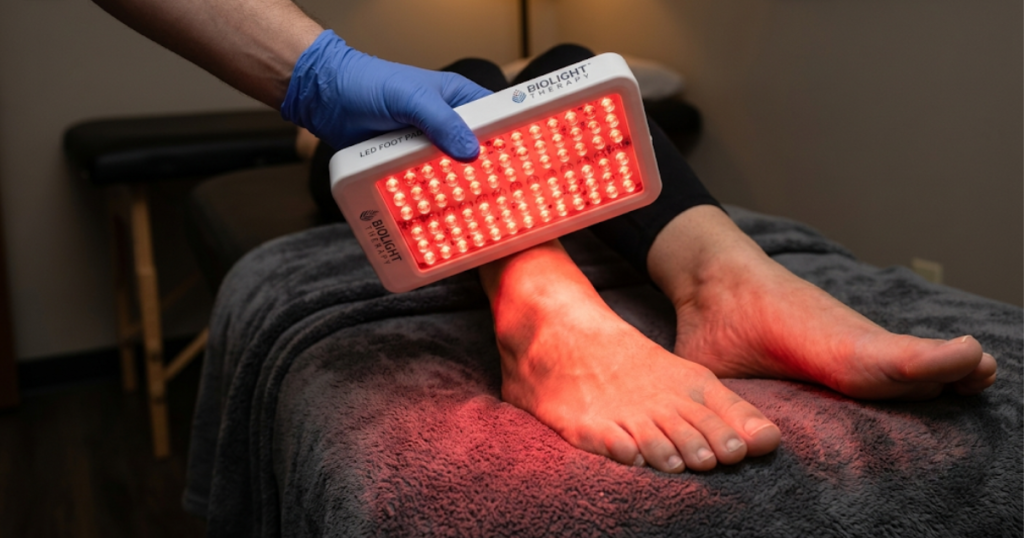
Advanced analysis & common pitfalls: clinic vs at-home RLT, adherence, misuses
Despite positive data, real-world challenges can limit your results. Here is a breakdown of the most relevant pitfalls and how to avoid them:
| Aspect | Clinic-based RLT | At-home RLT |
|---|---|---|
| Quality Control | Higher (clinician guided, medical-grade devices) | Variable (consumer devices, self-set parameters) |
| Session Frequency | Often less frequent due to travel/cost | More frequent (daily), best for results |
| Safety Oversight | Active monitoring, spot checks post-session | Risk of overexposure or missed skin injury, especially in insensitive feet |
| Cost/Efficiency | Expensive over time, less convenient | Lower cost, higher convenience after purchase |
| Adherence | Often higher under staff guidance | Requires user discipline/tracking at home |
- Skipping or rushing sessions reduces efficacy—consistent, timed exposure is essential.
- Using cheap or poorly designed devices below clinical standards reduces results; always confirm effective wavelength and skin coverage.
- Numb feet increase the risk for unnoticed burns. Use timers and check your skin after every session, even if you “feel nothing.”
- Avoid self-treating if you have open sores or complex health issues—get a medical consult first.
Conclusion
The science and user experience around red light therapy for neuropathy show it is a promising adjunct for many, but not a miracle or overnight fix. If you choose to proceed, select a quality device, stick to a proven protocol, and work closely with your clinician. For many with diabetic nerve pain in the feet, a realistic 4–12 week course of red or near-infrared therapy can make a meaningful difference in pain, balance, and quality of life—if you respect the process and invest in safety and consistency. Ready to take the next step? Print our checklist, consult your provider, or browse our red light therapy device guide for specific options and reviews tailored for neuropathy patients.
FAQ
How soon will I notice results using red light therapy for neuropathy?
Most users start to notice measurable pain reduction and sensory improvement after 2–4 weeks of consistent use, with maximal benefits seen after 8–12 weeks. Some nerve types and severe cases may take longer.
Is red light therapy safe for diabetic feet with numbness?
Yes, when used properly, but extra caution is needed to avoid burns. Never use RLT over open wounds. Consider starting supervised in a clinical setting if you have advanced loss of sensation.
What wavelengths work best for neuropathy?
Clinical studies consistently support the use of red light (630–660nm) and near-infrared (810–850nm) for both pain relief and nerve repair.
Can I combine RLT with other neuropathy treatments?
Yes. RLT is often most effective as part of a multi-modal regimen including physical therapy, TENS, topical agents, and diabetes management. Always consult your provider when adding therapies.
What are the biggest risks or side effects?
When misused, devices may cause superficial burns or skin irritation, especially in numb feet. Side effects are otherwise rare and usually mild; always follow device guidelines and seek medical input if injured.