


Transcranial red light therapy is gaining serious traction among health-conscious consumers and clinicians who want safe, effective ways to support brain health, cognition, and mood. But not all devices are created equal—outcomes depend far more on technical specs like wavelength, power density, and total dose than on bold marketing claims. Here’s what you need to know, backed by the latest clinical evidence from 2023-2024, to make a fully informed buying or clinical investment decision.
Key Takeaways
- Peer-reviewed 2023-2024 studies show that transcranial red light therapy can measurably improve executive function and mood, with protocols (not brands) determining results.
- Technical device specs—especially wavelength (810–1064 nm), power density, session length, and placement—are critical for effective brain penetration and clinical benefits.
- Medical-grade transcranial photobiomodulation helmets and devices range from $3,000 to $15,000; safety, protocols, and regulatory clarity matter as much as cost.
- Executive summary — what the latest clinical trials show
- How tPBM is thought to work (mechanism of action)
- Why device specs determine outcomes — critical technical insight
- Recent clinical evidence (2023–2024) — study snapshots
- Risks, reported side effects, and user pain points
- Price ranges and key technical specs — buyer’s checklist
- Regulatory status and safety guidance
- How tPBM compares to alternative neuromodulation
- Practical protocol recommendations
- Top 3 content gaps competitors miss
- Buying guide checklist and decision flow
- Conclusion and next steps
- FAQ
Executive summary — what the latest clinical trials show
The new wave of clinical research on transcranial red light therapy, especially from 2023 and 2024, brings cautious optimism. A 2023 randomized pilot study in ex-football players at risk for chronic traumatic encephalopathy (Naeser MA et al., 2023) found measurable improvements in executive function, memory, and MRI-based brain connectivity after eight weeks of 20-minute, thrice-weekly sessions. In 2024, a rigorously designed but small study on adults with mild-to-moderate depression reported a 58% reduction in HAM-D depression scores and noticeable anxiety relief after 12 frontal lobe tPBM sessions (Schiffer F et al., 2021). Significantly, both studies found no serious adverse events. However, evidence remains heterogeneous—differences in devices and treatment protocols explain much of the variation in results. For brain health improvements, regimented protocols—rather than brands or marketing—are key.
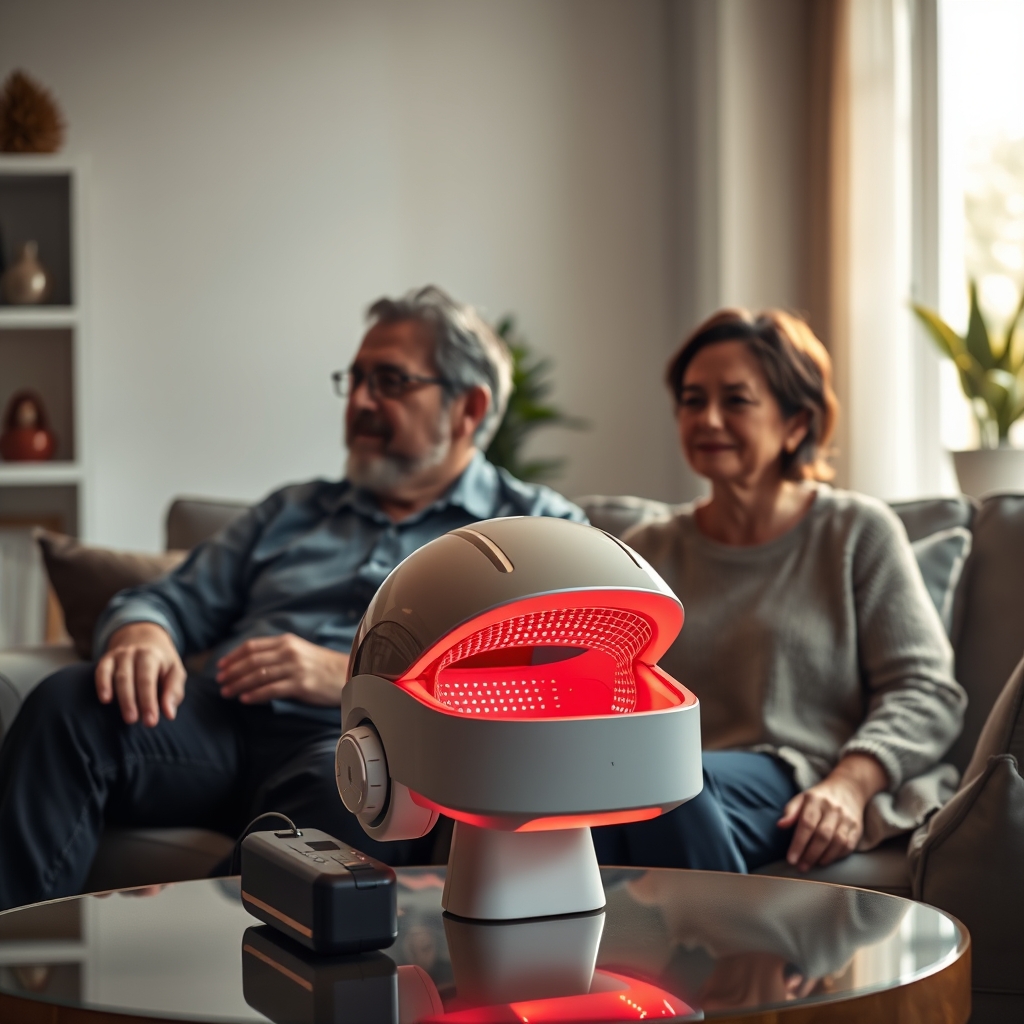
How tPBM is thought to work (mechanism of action)
Transcranial photobiomodulation (tPBM) sounds technical, but here’s the essence: near-infrared and red light trigger effects inside brain cells that boost energy and resilience. Specifically, wavelengths between 810–1064 nm penetrate scalp and skull to reach underlying neural tissue (see source). Once in the brain, photons stimulate mitochondrial enzyme cytochrome c oxidase, increasing ATP (cell energy), which in turn supports neuroplasticity and improved function. Vasodilation occurs as well, improving cerebral blood flow. However, light must deliver enough power (irradiance—usually 10–30 mW/cm² at the scalp) for long enough (15–20 minutes common) to create change. Lower-power devices or suboptimal wavelengths rarely reach the brain in a meaningful way.
Technical note: The “optical window” for brain photobiomodulation is roughly 810–1064 nm—shorter and longer wavelengths are mainly absorbed by the skin or skull.
Why device specs determine outcomes — critical technical insight
Not all helmets or “red light therapy brain” devices are equal. Clinical outcome depends on several technical inputs, not the size or style of the helmet:
- Wavelength: 810–1064 nm penetrates best—avoid “red-only” devices below 800 nm for brain therapy as penetration is too low.
- Irradiance (power density): Higher is not always better, but too low (<10 mW/cm²) is ineffective. Most research targets 10–30 mW/cm² at the scalp.
- Treatment time and dose: Multiply irradiance (mW/cm²) by application time (seconds) to get fluence (J/cm²). For example, 20 mW/cm² × 1200 sec (20 minutes) = 24,000 mJ/cm² = 24 J/cm².
- Emitter type: Laser diodes offer more coherent, focused penetration than LEDs, but LEDs can be viable if power and placement are sufficient.
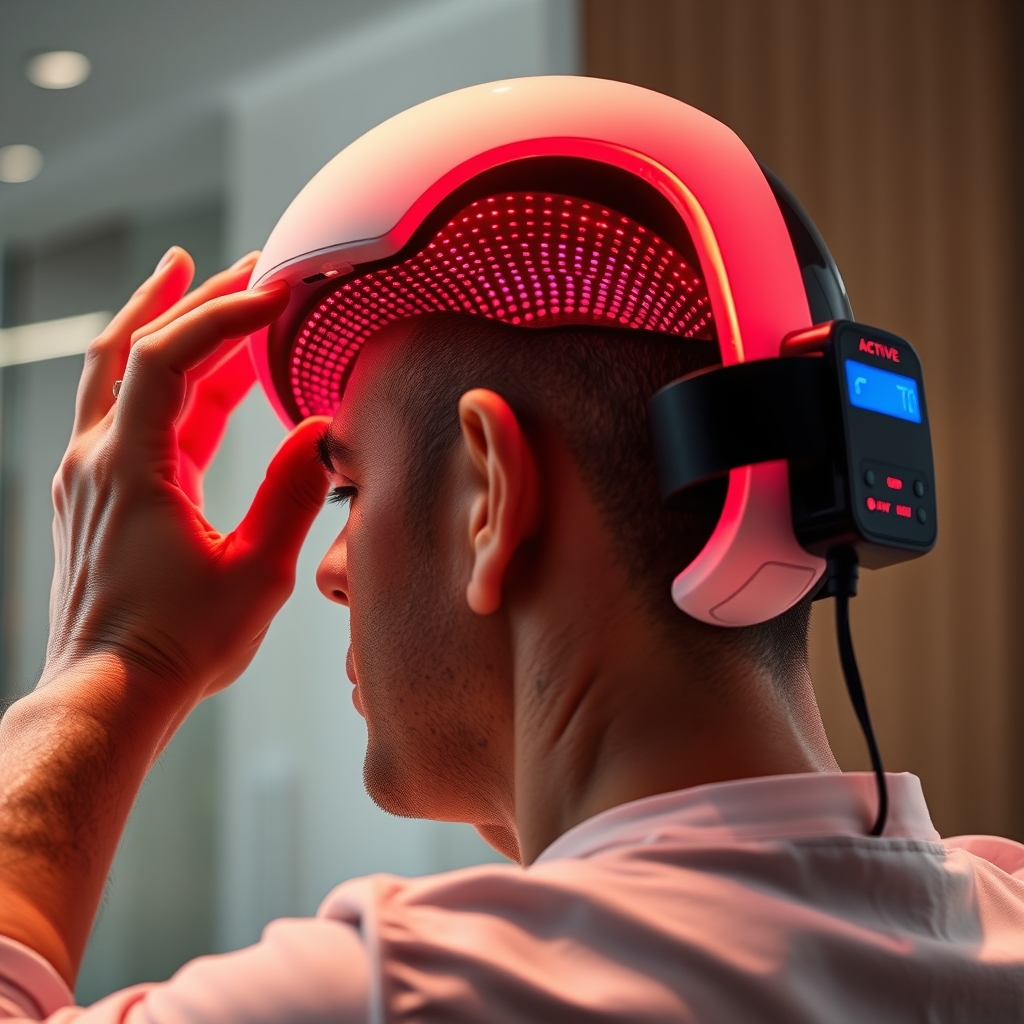
- Device geometry and placement: Targeting frontal, temporal, and nasal regions optimizes brain delivery; hair, skull thickness, and device fit all affect penetration.
Clinical reality: Variable skull-and-scalp thicknesses mean “off the shelf” helmets can easily underdose or overtreat brain regions unless user adjusts fit and placement.
Recent clinical evidence (2023–2024) — study snapshots
- 2023 Ex-Football Players (Naeser MA et al.): 8 weeks
3 sessions per week
20 minutes per session | Wavelength: NIR (exact nm reported as 810 or 1064)
Endpoints: Executive function, memory, MRI connectivity
Results: Significant improvements in all metrics, no major adverse events
Limitations: Small sample, mostly male, pilot design - 2024 Depression Study (Schiffer F et al.): 12 frontal sessions over 4 weeks
Wavelength: 1064 nm
Endpoints: HAM-D and anxiety scores
Results: ~58% decrease in depression, large effect size; significant anxiety reduction
Limitations: Small, rigorous design, needs replication - Systematic Reviews: Over 36 studies analyzed (see analysis)—consistent improvements in cognition and mood, safety profile better than most psychiatric interventions.
Replication, larger samples, and standardized protocols are key for the future, but these findings represent meaningful clinical progress.
Risks, reported side effects, and user pain points
Transcranial red light therapy is generally safe in controlled studies, but real-world users need to anticipate some practical downsides:
- Common adverse events: Mild scalp warmth, brief erythema (redness), headache, or tingling; some users report visual discomfort if eye protection is not used (see Brown University Health).
- Comfort issues: Helmet weight and fit varies between models—some are heavy or awkward, and tight devices can cause pressure or restrict movement.
- Adherence challenges: Protocols require frequent (3+ per week) sessions, 15–20 minutes each—not trivial for busy users, especially with clinic-based devices.
- User error: Incorrect placement, session timing, and suboptimal dose are frequent with consumer-grade or non-instructed home use.
Red light therapy mask and red light therapy device reviews can help guide expectations about home-use comfort and design, although brain-directed devices are specialized.
Price ranges and key technical specs — buyer’s checklist
There is a wide range in price, power, and features between wellness-market helmets and medical-grade, trial-ready transcranial photobiomodulation devices. Here is a breakdown:
| Intended Use | Price Range | Spec Highlights | Example Devices |
|---|---|---|---|
| Consumer wellness | $800–$2,500 | Mixed wavelengths, lower power, basic timer, fewer emitters | Various online brands |
| Clinic / clinical trial | $3,000–$10,000 | 810–1064 nm, power: 10–30 mW/cm² per site, 40–100 emitters, integrated controls, data logging | Vielight Neuro, NeuroAlpha |
| Research/advanced | $12,000–$15,000 | Laser+LED, real-time monitoring, mapping, custom protocols, imaging modules | Specialized research platforms |
For home-use PBMT devices with lower price or for other body areas, see our photobiomodulation therapy buying guide or near infrared light therapy guide.
Regulatory status and safety guidance
FDA-cleared and CE-marked designations mean a device has been reviewed for safety—and sometimes for specific neurological applications. However, many “transcranial red light therapy” helmets are simply marketed for “wellness” and have not undergone clinical evaluation for brain outcomes. Ask whether a device is FDA cleared or just wellness-marketed. Safety best practices include session duration below 30 minutes, always using eye protection, and avoiding tPBM if taking photosensitizing medications or with active cancer.
Current post-market surveillance is limited, and long-term effects are still under study. The best-vetted helmets in formal trials (e.g., Vielight Neuro/NeuroAlpha) have shown no serious adverse events to date (source).
How tPBM compares to alternative neuromodulation
Transcranial red light therapy (tPBM) is not the only tool for cognitive and mood support:
- tPBM: Works via mitochondrial stimulation and blood flow; early evidence for cognition and mood, very favorable safety.
- tDCS/tACS: Apply electrical currents to modulate brain networks. Evidence is strong, especially for depression and cognitive enhancement, but side effects (tingling, discomfort) are more common.
- Neurofeedback: Training-based, learning to control brain activity; best supported for ADHD and learning disorders, but high commitment and variable results.
Systematic reviews find tPBM consistently improves cognition and mood (see scientific review). However, there are no robust head-to-head trials directly comparing these methods, so patient preference, tolerance, and access often drive choice.
Practical protocol recommendations
For both consumer and clinic use, the latest trial protocols provide useful starting points:
- Wavelength: Stay in the 810–1064 nm range (ideally 1064 nm for best brain penetration).
- Session length: 15–20 minutes per site/area, 3 times per week.
- Course duration: 8 weeks (as in ex-football player study), or 12 sessions for mood protocols.
- Monitor: Users should track cognitive changes, mood, and side effects. Discontinue use and consult a clinician with any persistent headache, visual symptoms, or scalp burns.
Before starting a home or clinic protocol, check for contraindications and proper safety instructions.
Top 3 content gaps competitors miss
- Exact dosing math and how to read device specs: Most sites don’t explain how to convert irradiance (mW/cm²) × time (sec) = fluence (J/cm²)—this matters for matching device to clinical protocol.
- Linking technical specs to clinical outcomes: Consumer reviews rarely specify which device settings correspond to published protocols; many devices are underpowered or incorrectly placed.
- Current regulatory and safety landscape: Most pages gloss over the actual FDA/CE status and what it means for at-home safety and long-term surveillance.
The crucial nuance: skull-to-brain penetration of light is variable and depends on correct fit, site, and sufficient power (10–30 mW/cm²).
Buying guide checklist and decision flow
- Define intended use: Cognitive support, mood, clinical trial, or research?
- Check core specs: Wavelength 810–1064 nm, irradiance at least 10–30 mW/cm², targeted emitter distribution.
- Safety features: Session timer, auto shutoff, eye protection, temperature sensors.
- Support/warranty: Responsive manufacturer support, at least 1-year warranty (prefer 2+ years for medical-grade).
- Budget: Consumer: $800–$2,500. Clinic/medical: $3,000–$10,000+. Research: up to $15,000 if needed.
- When to consult a clinician: Neurological conditions, medication changes, or unusual/persistent symptoms.
For HSA/FSA eligibility, see red light therapy HSA eligible tips. For home-use photobiomodulation and skin options, we compare those in detail in our 2026 red light therapy device guide.
Conclusion and next steps
Transcranial red light therapy is a rapidly developing field with real, measurable benefits for cognition and mood—when the right protocols, dosing, and devices are used. Clinical evidence from 2023 and 2024 highlights the potential of tPBM, but also its technical complexity and need for rigorous protocols. Don’t choose based on hype or price alone: use technical specs, evidence-based dosing, and support from trained clinicians to get results—whether at home or in a clinic. Ready to take the next step? Consult your health provider, request clinical specs from device makers, and consider participating in a registered clinical trial for transcranial red light therapy if you’re seeking proven results.
FAQ
Is transcranial red light therapy safe?
When used according to trial protocols and with proper eye protection, tPBM has a strong safety record. Side effects like warmth, mild redness, or headache are usually transient. Avoid if you are photosensitive or have active cancer on the scalp.
How should I compare red light therapy helmets?
Look for clinical-level specs: wavelength (810–1064 nm), power/irradiance per site (10–30 mW/cm²), and sufficient session length. Always request fluence calculations or match device settings to published clinical protocols for brain health.
Do consumer-grade devices work as well as medical-grade systems?
Most consumer units lack sufficient power or precise targeting for deep brain effects seen in clinical trials. For therapeutic cognitive or mood effects, medical-grade systems with trial-matched specs and protocols are recommended.
Can I use transcranial red light therapy at home?
Certain FDA-cleared or CE-marked helmets can be used at home, but always follow manufacturer instructions, use eye protection, and consult a clinician if you have medical conditions or are on new medications. Track your results and side effects.
Are there alternatives to tPBM for brain health?
Yes. tDCS or tACS (electrical stimulation) and neurofeedback are established alternatives, with different mechanisms and levels of evidence. Choose based on your goals, tolerance, and professional guidance.