


Red light therapy vs infrared sauna: If you’re weighing these two recovery and wellness modalities, you want real results—not just a gear pitch. This guide breaks down how each method works in your body, what the science actually shows (2023–24 data), crucial pros and cons, user cost realities, and clear, evidence-driven recommendations for mid-life health-conscious professionals.
Key Takeaways
- Red light therapy (photobiomodulation) delivers targeted cellular effects (e.g., collagen boost, local pain reduction), while infrared sauna induces whole-body heat stress and metabolic changes. They are not interchangeable.
- Recent clinical trials show 31% facial collagen density increase after 12 weeks of red light, and 10–20% metabolic boost plus lower blood pressure from infrared saunas—results require sustained, consistent use.
- Costs, safety, device specs, and practical tradeoffs differ sharply. Choose based on health goal, budget, space, and willingness to commit to regular sessions for best outcomes.
- How each modality actually works (mechanisms explained simply)
- Cellular outcomes vs systemic outcomes — what each is best at
- Clinical evidence — skin, pain/recovery, cardiovascular outcomes
- Safety, contraindications and special populations
- What users complain about — pros/cons from reviews and forums
- Cost comparison — at-home units, in-clinic sessions, installation & maintenance
- Hybrid devices and combo pods — is there credible evidence for synergy?
- Objective device metrics and dosing guidelines
- Practical decision matrix — which to choose by goal, budget and constraints
- Evidence gaps and three undercovered sub-topics to investigate
- Bottom line & recommended next steps
- FAQ
How each modality actually works (mechanisms explained simply)
Photobiomodulation (PBM), often called red light therapy, works at the cellular level by exposing your tissues to red to near-infrared wavelengths (about 630–850nm), which directly interact with the cytochrome c oxidase enzyme in your mitochondria. This interaction triggers a boost in ATP (the cell’s energy currency), nitric oxide signaling, and the production of anti-inflammatory molecules and proteins that drive collagen production and tissue repair.
In contrast, an infrared sauna relies on mid- and far-infrared wavelengths (roughly 5,600–10,000nm). This energy is absorbed by water molecules in your skin, rapidly heating your core temperature. The resulting heat stress triggers your body’s broader response: you sweat out toxins, ramp up circulation, and produce heat-shock proteins while your metabolism increases systemically. Think of red light therapy as a precision instrument for local cellular change, while an infrared sauna is a full-body hormetic stressor that conditions your cardiovascular and metabolic systems.
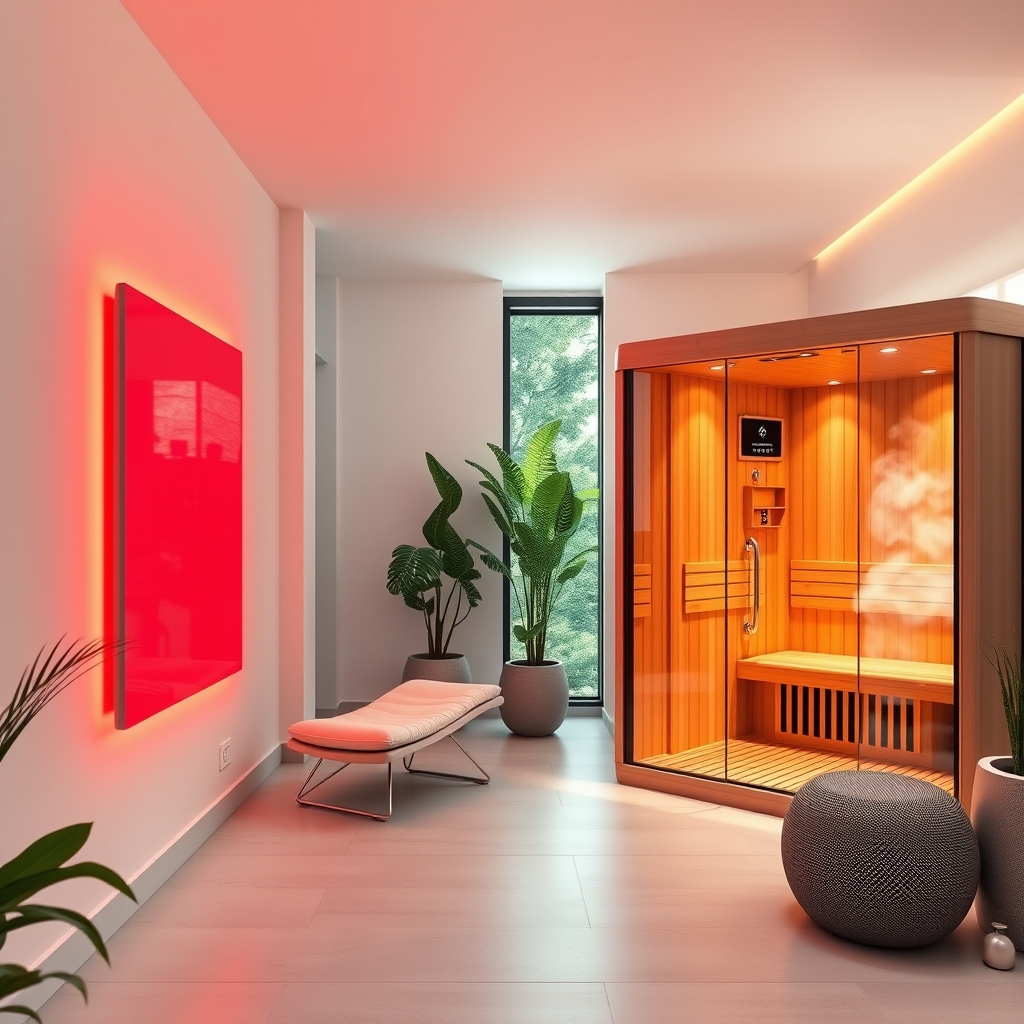
See full side-by-side mechanism breakdown (Mito Red Light)
Why does this difference matter? Mechanisms predict what results you can expect and how quickly you’ll see them. PBM acts fast locally (pain, skin, healing), while sauna’s effects are everywhere but take consistency and time.
Cellular outcomes vs systemic outcomes — what each is best at
Let’s simplify: Photobiomodulation gives you rapid, targeted changes. Trials in 2023–24 show a 150–200% muscle-cell ATP jump and a substantial 31% increase in facial collagen density after 12 weeks of red light three times weekly. It’s strong for areas where direct light penetrates: skin, joints, specific muscle injuries, and local inflammation.
Infrared sauna sessions, on the other hand, kick up your whole body’s performance. Clinical data (2022–24) demonstrates a 10–20% rise in metabolic rate, marked reductions in systolic blood pressure (by about 5–8 mmHg), and measurable improvements in markers of arterial elasticity and even heart-failure exercise tolerance. It’s full-body conditioning and excellent if your primary goals are improved heart health, detoxification (via sweating), or global pain relief in chronic conditions like arthritis.
As you compare red light therapy vs infrared sauna (Sun Home Saunas), align your modality choice to either local/targeted recovery (PBM) or whole-system wellness (sauna) for best returns.
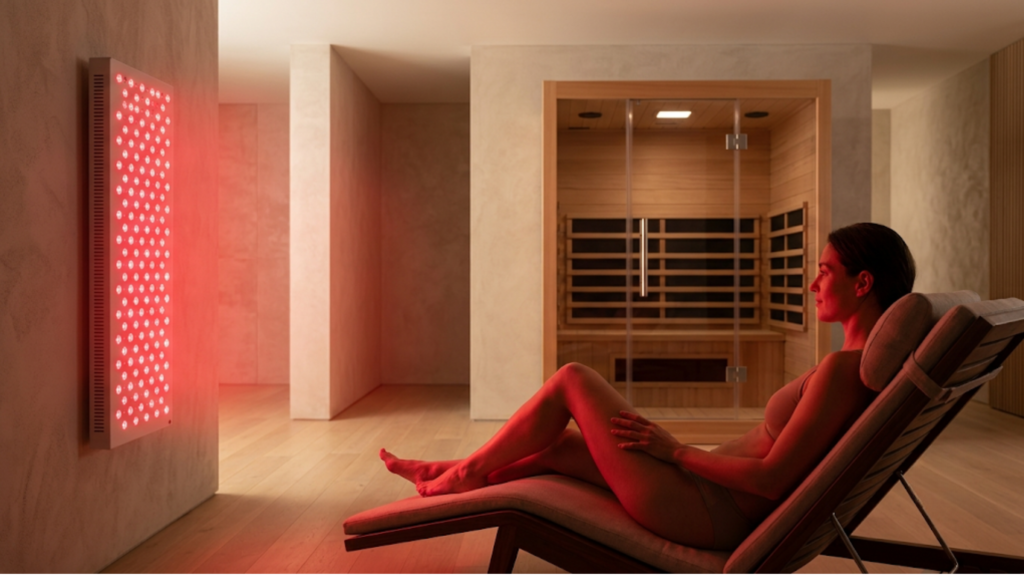
Clinical evidence — skin, pain/recovery, cardiovascular outcomes
Not all claims are equal. Here’s what gold-standard trials from 2023–24 actually report:
- Skin & Wrinkles (PBM): 31% increase in facial collagen density after 12 weeks of 630–660nm red light, used thrice-weekly. Significant wrinkle reduction is seen after 8 weeks. Results require consistent use and typically fade if discontinued.
See full skin results and device tips - Pain & Recovery (PBM): Local pain reduction (knee, back, neck) with 150–200% ATP increase in targeted muscle cells after 20-minute, 850nm exposures at around 150mW/cm². Very effective for musculoskeletal injuries and chronic local pain.
Pain protocol details here - Cardiovascular & Metabolic (Sauna): Whole-body metabolic rate rises 10–20%, and multiple studies show 5–8 mmHg systolic BP reductions after 2–3 months of regular use. Heart-failure populations also report exercise tolerance gains.
Review sauna evidence (Restore)
Still unsure if the benefits stick long-term? Most studies run 8–12 weeks, so the durability of effects for both is an evidence gap worth noting.
Is red light therapy the same as infrared sauna? No—energy delivered, tissue targets, and body-wide vs targeted effects all differ, even if some lounge-style infrared saunas now offer visible red/NIR add-ons for extra “bonus” effects.
Safety, contraindications and special populations
Safety comes down to the difference between non-heating, non-ionizing light (PBM) and sustained systemic heat (sauna).
- Photobiomodulation: Main risks are eye protection (never stare directly at strong LEDs or laser diodes), inconsistent dosing (cheap panels may deliver low/uneven irradiance), rare skin sensitivity, and theoretical caution for patients with history of epilepsy (flashing lights), active cancer at area, or who are pregnant. Internal metal or silicone implants usually pose no problem, but always consult a clinician.
- Infrared Sauna: Main risks include heat intolerance, increased dehydration, low blood pressure or faintness (especially for cardiovascular patients), and rare thermal burns from improper use. Special caution for pregnancy, frail elders, people with pacemakers or certain implants, and those on diuretics or antihypertensives.
In forums, EMF levels, space/weight of the device, and indoor air quality (sauna) are common additional concerns.
Read more about how to choose a safe red light therapy device and always clear new protocols with your healthcare provider.
What users complain about — pros/cons from reviews and forums
Real-world user reviews and discussion forums surface what glossy ads never mention. Based on current reviews and meta-analyses:
- Photobiomodulation: Users frequently mention insufficient dose (irradiance below clinical levels), lack of eye protection, awkward device size/placement, noise, and high up-front price for reliable panels. Some frustration with results—especially if inconsistent in usage or trying to treat too deep a tissue.
- Infrared Sauna: Common complaints are heat intolerance, dehydration, sweating discomfort, size/weight issues for home set-up, ongoing energy costs, and, for budget brands, uneven heating or EMF concerns.
Full real-user feedback round-up
Expect a learning curve, especially for at-home set-ups. Read comparison red light therapy panel reviews here for up-to-date buyer advice.
Cost comparison — at-home units, in-clinic sessions, installation & maintenance
The market in 2024 looks like this:
| Device/Option | Entry Level | Mid-range | Professional/Premium | Operating/Install Cost |
|---|---|---|---|---|
| Red light panel | $1,000–$3,000 | $4,000–$8,000 | $8,000+ | Low electricity Minimal space/maintenance |
| Infrared sauna | $1,500–$3,000 (portable tent style) |
$4,000–$8,000 (multi-user cabin) |
$10,000+ (built-in installation) |
High electricity Space, ventilation Robust install needed |
| Clinic session | $30–$80 / session | $100+ / session | — | N/A (pay per use) |
Red light therapy sauna combo units cluster at the top of the range—expect $8,000+ with most requiring professional installation. Red light panels generally have lower ongoing costs but a steeper initial investment. Saunas may add $30–$80 per month in electricity. Before buying, assess how often you’ll use it and whether clinic pay-per-session pricing makes sense.
Compare options for best red light therapy device 2026 if price is a deciding factor.
Hybrid devices and combo pods — is there credible evidence for synergy?
Hybrid red light therapy sauna pod combos are marketed as “best of both worlds.” In practice, these typically pair visible red/NIR (630–880nm) LED panels with traditional mid/far-infrared heaters. Some preclinical research and physiologic rationale supports the idea that pre-heated tissues may respond better to PBM due to increased blood flow and metabolic priming.
What does clinical data say? Evidence is preliminary. Some users report improved energy and faster post-workout recovery, while a handful of small studies suggest mild synergy—but robust comparative outcome trials are still lacking (Peak Saunas hybrid review). Bottom line? The two technologies can complement each other, but combined units are not yet proven to significantly outperform either method alone in large trials.
For in-depth device comparison and clinical synergy evidence, check the photobiomodulation therapy device guide.
Objective device metrics and dosing guidelines
Whether shopping or setting up a clinic visit, demand specifics:
- Red Light Therapy (PBM): Seek panels with 630–850nm output, ideally at 100–200mW/cm² irradiance for 10–20 minutes per area, three times per week for at least 8–12 weeks (this matches protocols producing the 31% collagen boost). Avoid panels with only “wattage” listed—insist on verified irradiance. Confirm safety ratings and eye protection.
- Infrared Sauna: Look for 5,600–10,000nm heaters with temperature ranges of 45–60°C (113–140°F). Start with 15–25 minute sessions 2–4x weekly, increase as tolerated. Heat should be even, and install space safe for ventilation and EMF levels.
See full near infrared device tips for muscle and brain benefits. Red flag: any device that hides its specs or can’t provide irradiance, wavelength, and safety documentation is best avoided.
Practical decision matrix — which to choose by goal, budget and constraints
Here’s a decision shortcut—goal first:
- Best for visible skin aging, fine lines, scars, or arthritis of a small joint: Photobiomodulation/red light therapy wins. Choose a cabin, panel, or even targeted mask (red light therapy mask).
- Best for high blood pressure, metabolic syndrome, global pain, stress reduction, or if you crave relaxing heat: Infrared sauna, ideally with a spacious, well-ventilated cabin. Great for whole-body improvement and regular cardiovascular “training.”
- Combo unit: Only if you’re committed to daily use, have ample budget/space, and like the idea of warm-up plus targeted light for maximum efficiency.
- Clinic vs At-home: Home devices shine if you’ll use them 3x weekly for 8+ weeks. Otherwise, test with clinic sessions before investing.
Your mechanistic guiding principle: use photobiomodulation for targeted, mitochondrial-driven boosts (ATP/collagen, local pain), and infrared saunas for systemic, hormetic heat with metabolic and cardiovascular shifts.
Evidence gaps and three undercovered sub-topics to investigate
What mainstream reviews miss—and what you should ask before buying or using:
- Standardized PBM dosing and irradiance reporting. Many brands fail to deliver evidence-based specs, confusing buyers and clinicians alike. Push for transparent, third-party validated irradiance in your device choice.
- Long-term comparative outcomes and cost-effectiveness. Most studies run 8–12 weeks; almost none track whether benefits persist, how often maintenance sessions are needed, or real-world dollar-per-result.
- Validated protocols and safety for combined PBM + sauna pods. Are hybrid devices truly better, or just expensive? Current evidence is preliminary; advocate for robust, head-to-head trials.
Read more on FDA cleared red light therapy devices and evidence gaps here.

Bottom line & recommended next steps
Red light therapy and infrared sauna offer unique, powerful—but distinct—benefits for health-conscious pros. PBM is the tool of choice for targeted mitochondrial energy, ATP release, and boosting collagen for skin/joint applications. Infrared saunas excel at whole-body cardiovascular/metabolic changes, sweat-driven detox, and building systemic resilience. The two can be paired (red light therapy sauna combo) for some synergy, but are not interchangeable. As you plan your at-home or clinic routine, use these guidelines:
- Check for scientific wavelength/irradiance specs (red light) and temperature/EMF data (sauna).
- Set a session schedule you’re committed to (3x/week for 8–12 weeks minimum).
- Weigh up-front and operating costs versus expected frequency of use—don’t overpay for features you won’t use.
- Clear safety and medical issues with your provider.
Still have questions about red light therapy vs infrared sauna? Start with a clinic trial or read verified panel reviews here, and bookmark this page for updates as new comparative research emerges.
FAQ
Is red light therapy the same as infrared sauna?
No. Red light therapy (photobiomodulation) uses visible red and near-infrared photons to target mitochondria and boost local cellular function. Infrared saunas deliver mid-/far-infrared heat for whole-body metabolic conditioning, cardiovascular benefit, and detox through sweating. They rely on totally different mechanisms and deliver distinct results.
Does red light therapy really work for wrinkles and aging skin?
Yes, multiple studies from 2020–2024 show 630–660nm red light boosts collagen production by up to 31% in facial skin after 12 weeks of consistent use. Wrinkle reduction typically appears after 8 weeks but requires ongoing sessions to maintain the effect.
Can you combine red light therapy and infrared sauna?
Yes, and emerging research suggests some synergistic effect—especially for recovery and cellular energy. Using sauna heat before or during red light therapy may promote better light penetration and cellular response, but robust clinical evidence is still building.
What are the main risks or downsides to each therapy?
Red light therapy risks include eye safety, inconsistent dose from low-quality panels, and rare skin sensitivity. Sauna risks center around heat intolerance, dehydration, blood pressure drops, and need for larger space plus higher electricity use. Always consult a doctor if you have implants, are pregnant, or have chronic conditions.
Which is more cost-effective for home use?
Red light therapy panels generally have a higher initial cost but very low ongoing electricity/maintenance needs. Saunas are pricier to run and install and require more space but may be better for those seeking full-body or cardiovascular benefits. Assess your health goals and usage habits carefully.