

Red light therapy for seasonal affective disorder is generating interest as a gentler alternative to standard bright white light therapy boxes for winter mood issues. But does science back this trend, and what should buyers or clinicians really know?
Key Takeaways
- Bright white light therapy (10,000 lux) is still the evidence-based gold standard for treating SAD, with rapid improvement for 40–60% of patients.
- Red/NIR light shows antidepressant promise in non-SAD studies but has not been directly trialed for SAD; evidence is encouraging but preliminary.
- red light therapy devices require careful protocol and device selection, and buyers should be aware of slower onset and lack of standardization compared to traditional SAD lamps.
- Quick take — Bright white light remains the standard; red/NIR is promising but under-studied
- What the 2022–2024 clinical research actually shows
- Head-to-head comparison — Mechanisms & clinical action (red/NIR vs bright white/blue)
- Typical red/NIR protocols reported in the literature and practical usage guidance
- Device buying guide — cost, specs, and regulatory/regulatory-status notes
- Safety, side effects, and most commonly reported user challenges
- Real-world outcomes vs clinical trial data — testimonials, case studies, and biases
- Key gaps and unanswered questions for writers to emphasize
- Practical article elements to include (charts, CTAs, expert quotes, FAQs)
- The Core Concept
- Step-by-Step Guide
- Advanced Analysis & Common Pitfalls
- Conclusion
- FAQs
Quick take — Bright white light remains the standard; red/NIR is promising but under-studied
Bright white light therapy, delivering around 10,000 lux for 20–30 minutes in the morning, is the standard first-line treatment for seasonal affective disorder. Studies show it improves mood for 40–60% of users within one week, rivaling some antidepressants [source]. In contrast, SAD light therapy red light protocols—typically using red (630–660 nm) and near-infrared (810–850 nm) at 20–200 mW/cm² for 10–15 minutes—have not been tested head-to-head in SAD-specific randomized clinical trials. While the mechanism is promising for mood support and cellular health, the lack of robust SAD trials means red light therapy for seasonal affective disorder is still considered experimental. If you are considering SAD light therapy red light devices, it’s crucial to understand both the potential and the limitations.
What the 2022–2024 clinical research actually shows
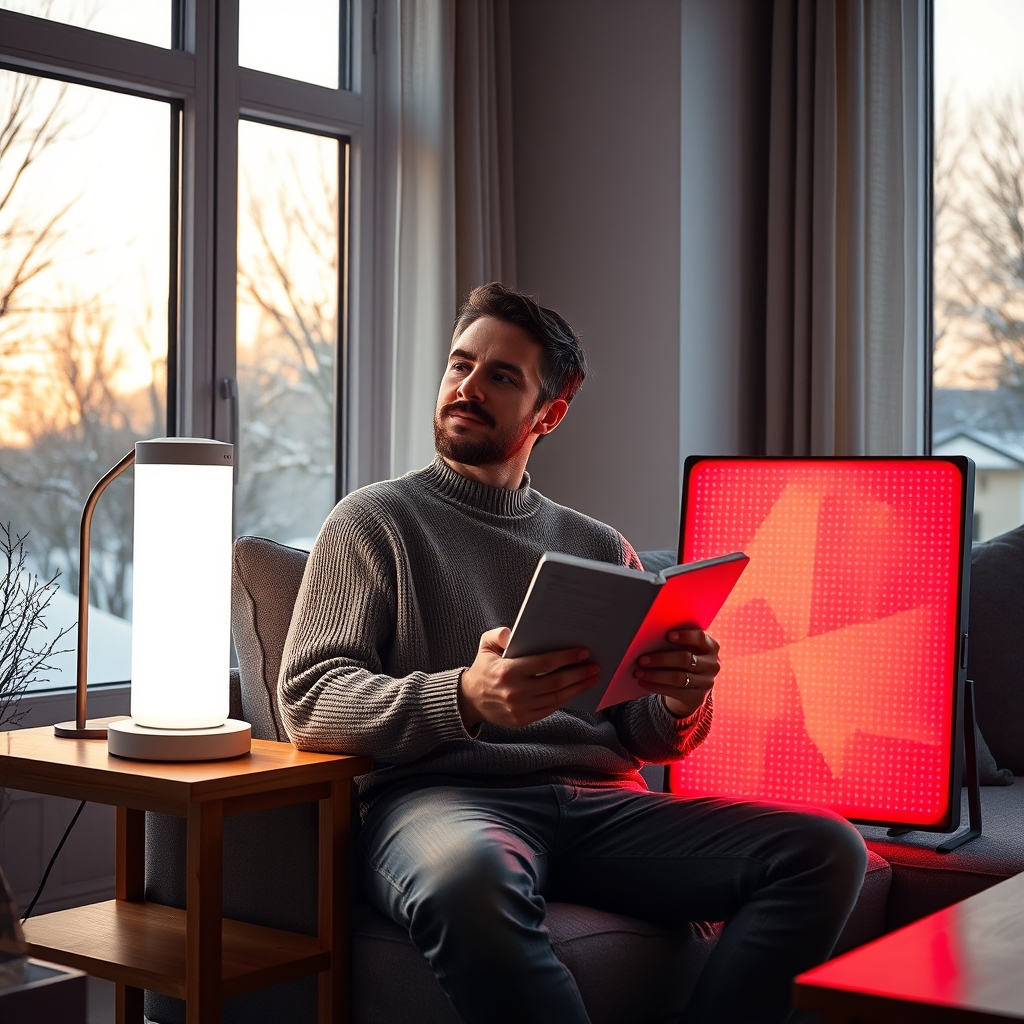
First, it’s important to separate what’s proven for SAD, and what is not. All current meta-analyses and systematic reviews from 2022–2024 reinforce that bright white light therapy is highly effective for SAD—reliable and fast for most (Harvard Health). Photobiomodulation SAD studies—red or NIR light—are more often performed in non-SAD depression, typically applying light to the forehead or scalp.
In 2022, one review classified NIR for moderate major depression as “strongly recommended” (Fringe). A 2023 meta-analysis concluded NIR has a “promising role” in managing depressive symptoms but no clinical trials have yet tested red/NIR for actual seasonal affective disorder [source]. This gap in research is critical: buyers and clinicians should view red light therapy for winter depression as “possibly helpful, but unproven” for SAD, while conventional bright light remains a first-line option.
Protocol guidance: Photobiomodulation SAD clinical studies (for non-SAD depression) typically use devices emitting 630–660 nm (red) or 810–850 nm (NIR), at 20–200 mW/cm², applied to the head for 10–15 minutes per day. By contrast, classic SAD lamps (bright white/blue) use about 10,000 lux for 20–30 minutes after waking. Results with red/NIR in non-SAD trials tend to appear after 2–4 weeks.
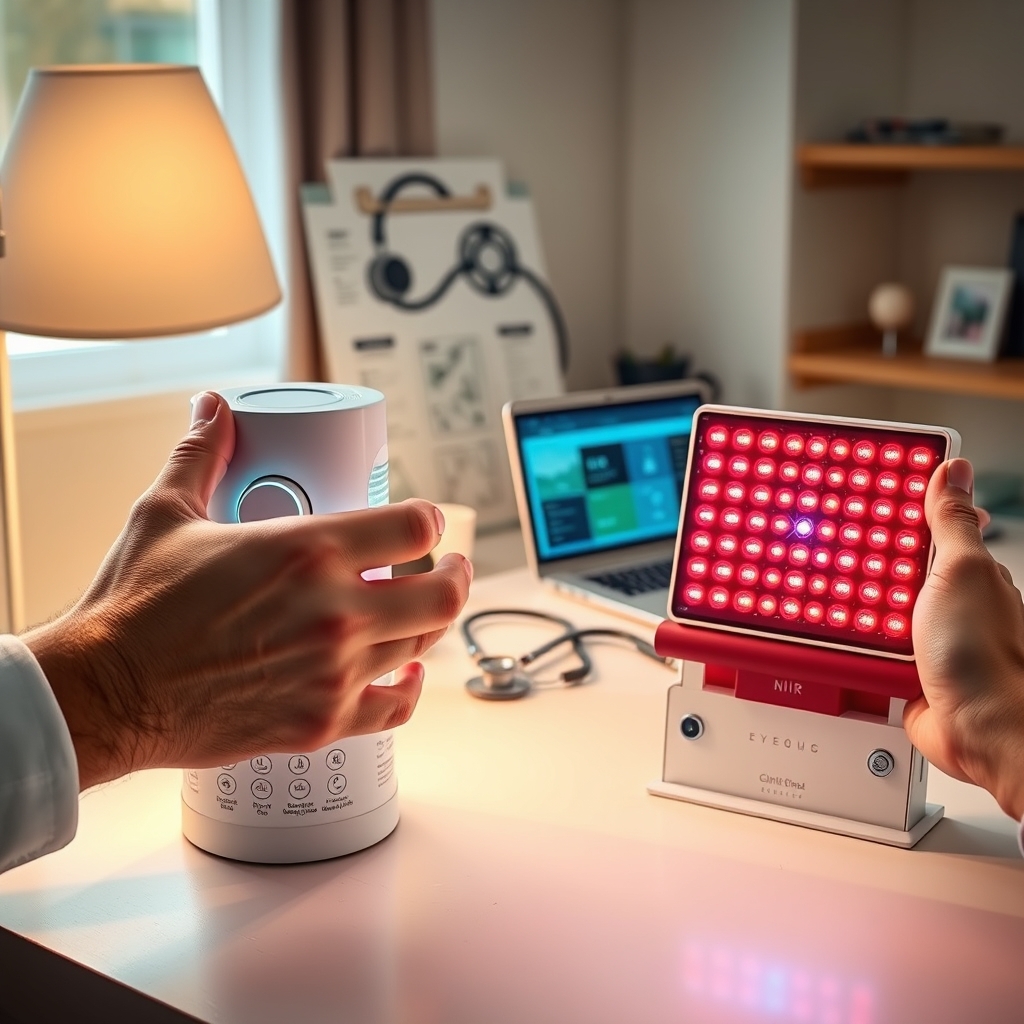
For more on clinical device comparisons, see this in-depth guide on photobiomodulation vs red light therapy and near-infrared light therapy benefits.
Head-to-head comparison — Mechanisms & clinical action (red/NIR vs bright white/blue)
Bright white or blue-enhanced light acts via circadian mechanisms. Blue wavelengths—well-studied for their strong circadian effect—hit retinal melanopsin, rapidly shifting your internal clock, suppressing melatonin, and lifting mood. That’s central to the known rapid effect of classic SAD light boxes. Yet, blue light raises eye safety concerns, especially with high daily exposures [source].
Red/NIR light, on the other hand, targets mitochondria directly—boosting cellular ATP (energy) production and supporting nitric oxide signaling, which impacts mood and even sleep. Notably, photobiomodulation does not suppress melatonin, making it safe for later-day use without disrupting sleep. However, red/NIR’s mood lift is likely slower and less direct than classic light box therapy (Ubie Health).
| Parameter | Bright White/Blue SAD Lamp | Red/NIR Photobiomodulation |
|---|---|---|
| Wavelength | 400–700 nm (white/blue), blue ~470 nm strongest | Red: 630–660 nm / NIR: 810–850 nm |
| Dose & Duration | ~10,000 lux, 20–30 min AM | 20–200 mW/cm², 10–15 min |
| Main Mechanism | Circadian reset, melatonin suppression | Mitochondrial stimulation, ATP boost |
| Onset of Effect | Usually within 1 week | 2–4 weeks typical |
| User Experience | Very bright, may cause glare or eye strain | Gentler light, low glare, “warm” |
| Common Side Effects | Eye strain, headache (rarely mania/hypomania) | Warmth, mild eye strain, skin redness |
| Device Cost | $100–200 (light box) | $250–450 (single panel) |
| Regulatory Status | Not regulated (buyer beware) | Few are cleared/regulated for mood; most are not |
| Best For | Classic SAD cases needing rapid effect | Users unable to tolerate bright light, adjunctive use |
Learn more about device safety and regulation at our FDA-cleared red light therapy device guide.
Typical red/NIR protocols reported in the literature and practical usage guidance
Most research on red light therapy for winter depression uses head-applied panels delivering 630–660 nm (red) or 810–850 nm (NIR) at approximately 20–200 mW/cm², once daily for 10–15 minutes. Users are seated with the device about 6–20 centimeters from the forehead or scalp. For comparison, traditional bright light therapy uses a larger field and must be at eye level, catching light through peripheral vision for 20–30 minutes (Joovv).
Practical guidance: Start conservatively—choose a device certified for safe facial use, avoid direct staring for extended periods, and track mood daily for the first month. If you are uncertain about the best red light therapy device, consider our comprehensive device selector guide.
Note: Protocols are not yet standardized. Many commercial devices exceed research-intended doses or recommend multi-zone “whole body” use, which isn’t studied for SAD.
Device buying guide — cost, specs, and regulatory/regulatory-status notes
How much should you expect to spend? Typical home red light panels run $250–$450 for entry models, $800–$1,200 for multi-panel setups, and $1,000–$2,000 for clinical-grade multi-diode units. Bright white light boxes are cheaper, usually $100–$200 [Harvard].
Key specs to compare:
- Wavelength: Look for 630–660 nm (red) or 810–850 nm (NIR).
- Irradiance: Aim for 20–200 mW/cm²—higher isn’t always better for mood.
- Diode count/treatment area: More diodes = covers larger scalp/forehead region; ideally 4–6 cm² per diode.
- Pulsed vs Continuous: Clinical trials use both; no clear outcome difference yet.
- Eye Protection: Most devices recommend eye protection for direct facial use.
From a regulatory standpoint, both SAD light boxes and red/NIR panels are rarely FDA-cleared for “depression”—most are marketed for general wellness or pain relief. Review device certifications before purchase. Find more info at red light therapy panel guide or learn what’s officially cleared in the FDA-cleared devices list.
Safety, side effects, and most commonly reported user challenges
For most healthy adults, side effects of red light therapy for SAD are mild: occasional eye strain, headaches, skin warmth, or transient redness. Photosensitivity—skin rash or irritation—is rare and mostly occurs in people taking photosensitizing drugs (like certain antibiotics or acne meds).
Challenges specific to home use:
- Strict daily adherence is required for noticeable benefit; skipping sessions reduces efficacy.
- Slow onset: Red/NIR mood effects typically take 2–4 weeks, slower than some classic SAD lamps.
- Perceived insufficient brightness: Users moving from light boxes may find red/NIR less “energizing.”
- device setup & positioning can be tricky, especially for larger multi-panel options.
Always follow device guidelines and consult a physician before starting, especially if using medications that cause light sensitivity.
Real-world outcomes vs clinical trial data — testimonials, case studies, and biases
User testimonials often report a quick “mood boost,” better energy, or better sleep after a week of red light therapy mood boost protocols. However, clinical trials suggest mood improvements from red/NIR tend to develop in 2–4 weeks with daily use. Bright light therapy, on the other hand, typically produces results within the first week for 40–60% of participants [InfantRisk].
Bias is common: users experimenting with new wellness tech tend to be optimistic, and expectation effects are large. Few studies use “sham” red light controls, so reported benefits may be partially placebo-driven. Objective tracking (using validated mood scales) is recommended if you want to know what’s really working.
For expert-level protocols and clinical data, see our resource on transcranial red light therapy for cognition and depression.
Key gaps and unanswered questions for writers to emphasize
Before claiming red light therapy for winter depression as standard care, note the major research gaps:
- No head-to-head randomized trials against standard SAD lamps.
- No standardized dosing (device type, duration, session frequency) for SAD.
- Lack of long-term safety data (especially with daily, scalp-directed panels).
- Uncertain prevalence and market adoption for seasonal depression.
- Most studies are small, short, and focus on non-SAD depression only [Fringe].
Writers and retailers should avoid overstating the clinical case at this stage. If you need more consumer guidance, see our popular guide on portable red light therapy devices for travel.
Practical article elements to include (charts, CTAs, expert quotes, FAQs)
To make this guide actionable and authoritative, here’s what we recommend for buyers and clinicians:
- Comparison Table: (see above)—wavelength, dose, onset, cost, side effects at a glance.
- 30-Second Checklist for Buyers: Know your wavelength, verify safe facial/scalp use, check irradiance, demand quality certifications, start with short exposure.
- FAQ Box for Clinicians: Address common patient questions, including contraindications, protocol safety, and how to combine with standard SAD lamps.
- Callouts to Major Reviews: Link directly to the leading systematic reviews and meta-analyses, like Fringe and Rouge, and comprehensive internal buyer’s guides.
The Core Concept
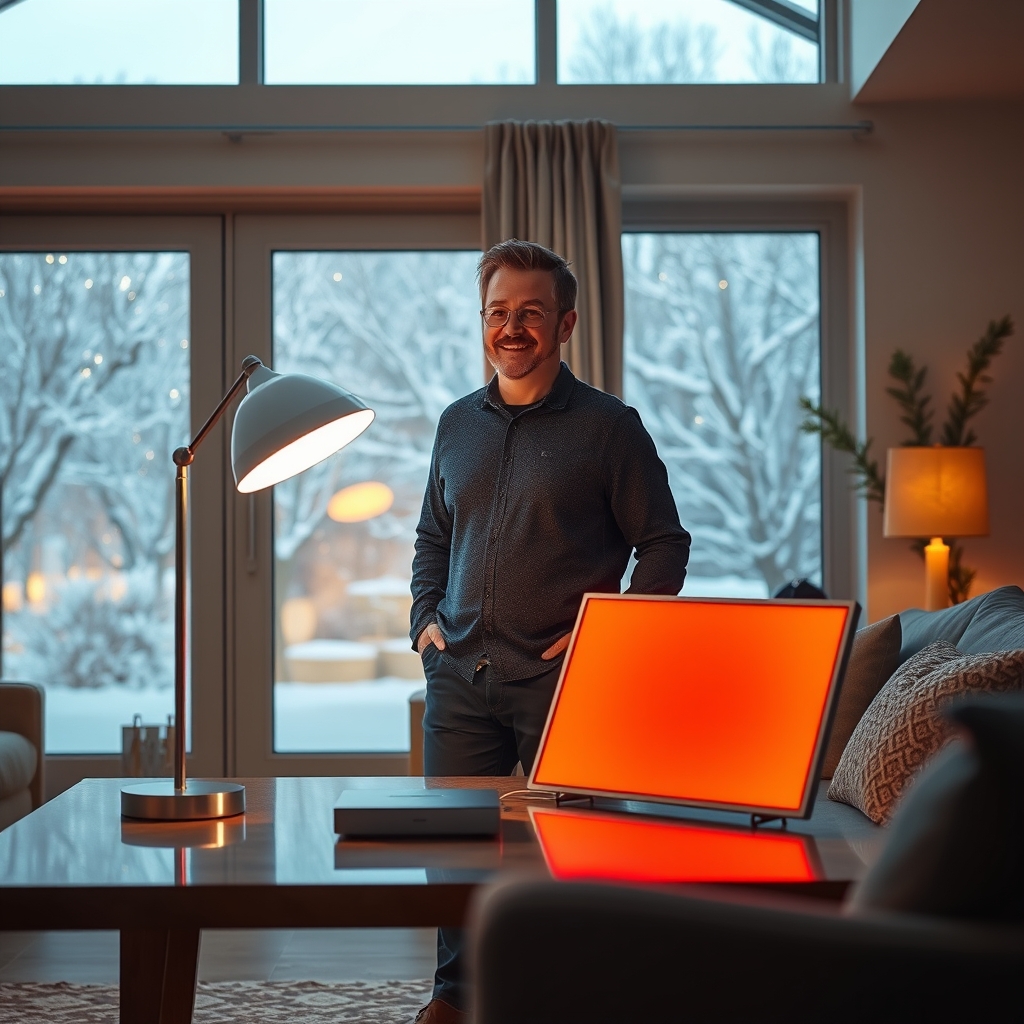
In summary, classic bright white light at 10,000 lux remains the quickest, best-validated treatment for seasonal affective disorder. Red light therapy for seasonal affective disorder is plausible as a gentler, cellular-supporting option, but has only been tested for non-SAD depression so far. Buyers should weigh the slower onset, the need for daily adherence, and current gaps in regulation and standardization. Watch for large-scale clinical trials in the coming years, and always base treatment changes on real evidence—especially for mood disorders.
Step-by-Step Guide
- Identify your goals: If rapid symptom improvement and maximum evidence are your priorities, choose a traditional bright light box (10,000 lux, use mornings for 20–30 minutes).
- If you cannot tolerate bright light, or want to test photobiomodulation, select a red/NIR panel specified for scalp or facial use, preferably in the 630–850 nm range and 20–200 mW/cm² output.
- Set a consistent daily time for use—ideally close to waking, though red/NIR can be used later as it won’t suppress melatonin.
- Track your response weekly using a mood scale like PHQ-9 or even a mood diary on your phone.
- If no improvement after 4 weeks, review your protocol or consult a professional—don’t assume it’s just not “working” unless used daily and as intended.
Advanced Analysis & Common Pitfalls
- Many users quit prematurely, expecting instant results from red/NIR protocols which may take up to 4 weeks or longer.
- Device marketing can be misleading—“whole body” exposure hasn’t been studied for SAD (head-directed only in trials so far).
- Incorrect placement or distance from the device sharply reduces effective dose. Follow your device manual.
- Clinicians must watch for co-occurring bipolar symptoms, as all light therapies can (rarely) trigger mania or agitation.
- Regulatory clarity is lacking—most devices used for mood are not officially FDA-cleared for depression. Demand quality assurance and documented safety testing.
Conclusion
While classical bright light remains the fastest, best-proven treatment, red light therapy for seasonal affective disorder is a fascinating area of ongoing research with growing user enthusiasm. The clinical evidence lags behind the marketing, so buyers should proceed deliberately—comparing devices, tracking response, and prioritizing safety. If you are curious, try a conservative, evidence-inspired protocol as an adjunct rather than a replacement, and always consult a health professional. Ready to explore further? Map your options with our full buyer’s guide for red light devices now.
FAQs
Is red light therapy actually proven to work for SAD?
No. As of 2024, there are no direct clinical trials showing that red light therapy can treat classic seasonal affective disorder. The evidence comes from non-SAD depression studies only.
How does red light therapy differ from a regular SAD lamp?
Bright SAD lamps work mainly through resetting circadian rhythms via the eyes. Red light panels target mitochondria in the scalp or skin, supporting cellular energy but not adjusting your body clock directly.
Are there any safety concerns with long-term use?
Most side effects are mild (eye strain, warmth, redness), but no long-term safety data exists for daily, repeated scalp-directed use in humans. Do not use if you are taking photosensitizing medications without asking your doctor.
How much do home-use red light therapy devices cost?
Prices range from $250–$450 for entry-level panels, up to $1,200 for multi-panel or clinical-grade models. SAD light boxes are usually less expensive ($100–$200).
Can red light therapy and a standard SAD lamp be used together?
Yes. There is no evidence of harm combining them, and some users find additive benefit—just do not use both at night, as bright white/blue light can suppress melatonin and disrupt sleep.